
Cabo de Rama Fort Goa (2026): Is It Worth Visiting?
Planning a trip to Cabo de Rama Fort in South Goa? Read our honest guide to the fort ruins, scenic sunset points, beach access, safety, and stays nearby.
Published 15 August 2026
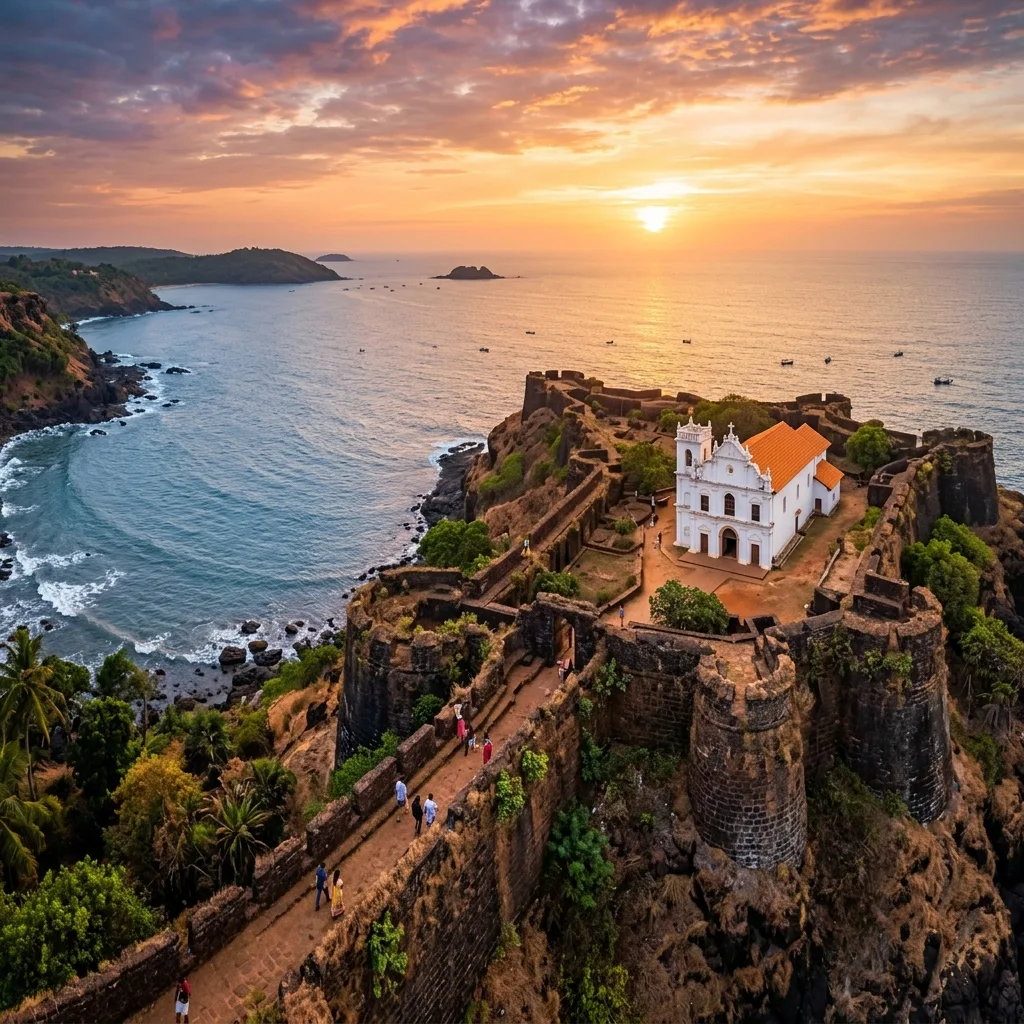
If you spend any time planning a South Goa trip, Cabo de Rama Fort keeps coming up for the same reason: it is one of those places that sounds more dramatic than most travel stops actually turn out to be, and in this case, the reputation is deserved. Unlike a beach that you can casually wander onto and leave after an hour, Cabo de Rama feels a little more like a pause in the trip. You go there for the views, the history, the cliffside setting, and usually the sunset, not because it is convenient or packed with things to do. Goa Tourism describes it as one of the oldest and largest forts in Goa, and the state government page traces its story through the Ramayana legend and the Portuguese takeover in 1763.
What makes Cabo de Rama interesting is that it does not feel polished. The fort is mostly ruins now, with old walls, a small chapel, rusty cannons, and wide open views over the Arabian Sea. The Goa government page is very direct about this: the fort was later rebuilt by the Portuguese, much of what remains today is from that era, and the western side drops sharply to the sea, which is exactly why people come here for the panorama. It is not an attraction you visit for “activities”; it is an attraction you visit because the atmosphere itself is the point.
That is also why Cabo de Rama works so well as part of a South Goa itinerary. If you are staying around Agonda, Cola, Palolem, or even Patnem, it fits naturally into a half-day outing. LBB also notes that late afternoon is the best time to go if you want the sunset, and Goa’s tourism page places the fort around 16 km north of Agonda, which makes the combination of Agonda, Cola, and Cabo de Rama a very easy cluster to cover in one trip.
The honest answer to “is it worth visiting?” is yes, but only if you know what kind of stop this is. Cabo de Rama is not a long list of things to do. It is a scenic, historic viewpoint with enough character to justify the drive, especially if you enjoy sunset spots, old forts, coastal photography, or quieter South Goa experiences. If you are building a route through the southern beaches, it also pairs nicely with Agonda Beach and Cola Beach, both of which sit close enough for a single relaxed day.
The History of Cabo de Rama Fort
One of the reasons Cabo de Rama Fort stands out from many other viewpoints in Goa is that it isn't just another scenic stop. Long before visitors started coming here for sunsets and panoramic photographs, the fort played an important role in the region's history. Even today, walking through its old stone walls gives you a sense that this place has witnessed centuries of change.
According to local legend, the fort gets its name from Lord Rama, who is believed to have stayed here with Sita during their exile described in the Ramayana. While there is no archaeological evidence confirming the legend, it has remained closely associated with the fort for generations and continues to be one of the reasons behind its unique identity. Whether you see it as mythology or local folklore, it adds another layer to the experience beyond simply visiting a historic monument.
The fort's documented history begins much later.
Before Portuguese rule, Cabo de Rama changed hands several times under different Hindu and Muslim kingdoms that controlled parts of Goa and the Konkan coast. Thanks to its strategic location on a high cliff overlooking the Arabian Sea, it served as a defensive outpost that could monitor ships travelling along the coastline. Anyone standing at the viewpoint today can immediately understand why this location was chosen. The uninterrupted views stretch for kilometres in both directions, making it an ideal place to watch over maritime routes.
Everything changed in 1763, when the Portuguese captured the fort from the Raja of Soonda. They strengthened its defences, rebuilt sections of the structure, and converted it into a military outpost. Much of what visitors see today - including parts of the fortifications and the small white chapel inside the complex - dates back to this Portuguese period rather than the original fort that existed centuries earlier.
As Goa evolved, Cabo de Rama gradually lost its military importance. Instead of becoming a bustling tourist attraction filled with reconstructed buildings and museums, the fort was largely left in its original state. That's one of the reasons it feels so different from many restored heritage sites across India. You won't find elaborate exhibitions or guided historical displays at every corner. Instead, you'll see weathered stone walls, old bastions, open courtyards, remnants of defensive structures, and dramatic cliffs dropping straight into the sea.
Interestingly, many visitors spend very little time thinking about the history once they arrive. The breathtaking views quickly become the centre of attention. Yet understanding the fort's past makes the experience much richer. You're not simply looking out over the Arabian Sea - you’re standing at a place that has watched over this coastline for hundreds of years.
Today, Cabo de Rama Fort attracts a mix of history enthusiasts, photographers, couples, bikers, and travellers exploring South Goa. Some come for the legends, others for the architecture, but most leave remembering the spectacular coastal scenery more than anything else.
Of course, history alone isn't why the fort has become one of South Goa's most recommended attractions. The real question for most travellers is simple: what is Cabo de Rama actually like today? Social media often shows dramatic drone shots and empty cliff edges, but the on-ground experience is a little different, and knowing what to expect will help you enjoy your visit much more.
What Is Cabo de Rama Fort Actually Like?
If you've only seen Cabo de Rama Fort through drone videos, it's easy to imagine a restored heritage monument with museums, guided tours, and carefully maintained buildings. The reality is quite different - and that's exactly what makes it special.
Cabo de Rama isn't a fort that has been rebuilt for tourism. Much of what you'll see today consists of weathered stone walls, old bastions, remnants of Portuguese fortifications, and open spaces that have been left largely untouched. Rather than walking through galleries or exhibitions, you're free to explore the ruins at your own pace while taking in some of the best coastal views anywhere in Goa.
The first thing most visitors notice isn't the architecture - it's the location.
The fort sits dramatically on top of a cliff overlooking the Arabian Sea, with panoramic views stretching in both directions along the coastline. On a clear day, the scenery alone makes the drive worthwhile. It's one of those rare places where you naturally slow down, spend a few minutes looking out over the ocean, and appreciate just how different South Goa feels compared to the busier beaches further north.
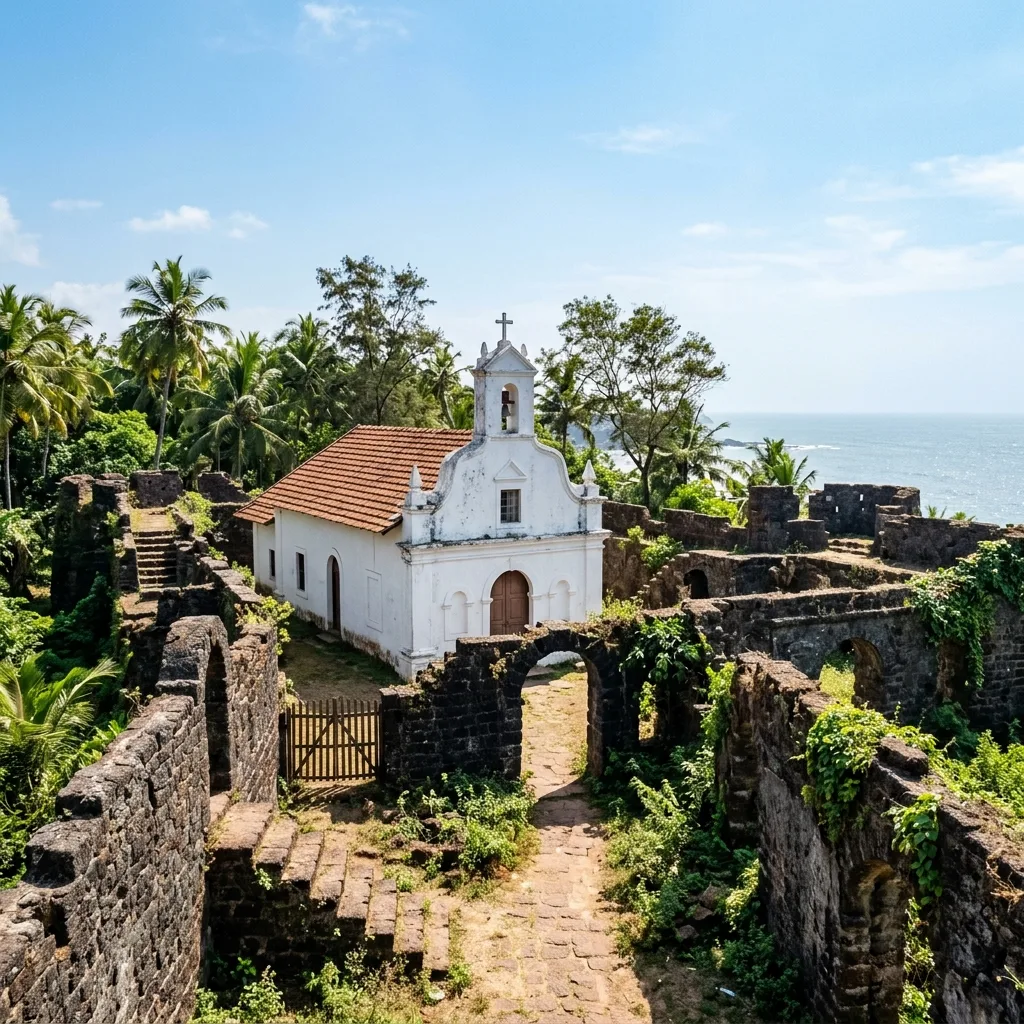
Despite its popularity, Cabo de Rama still feels relatively peaceful compared to many of Goa's better-known attractions. You'll usually find photographers, couples, bikers, and small groups of travellers wandering around the fort, but it rarely feels overly commercial. There are no rows of souvenir shops, loud music, or organised entertainment competing for your attention. Instead, the attraction is simply the fort itself and the spectacular landscape surrounding it.
One feature that many visitors don't expect is the small white chapel located inside the fort complex. The chapel, built during the Portuguese period, is still maintained and adds an interesting contrast to the surrounding ruins. It's a reminder that Cabo de Rama wasn't just a military outpost but also a place that evolved over several centuries.
You don't need an entire day to explore the fort. Most visitors spend one to two hours here, which is enough time to walk around the walls, admire the viewpoints, visit the chapel, and take plenty of photographs. Because of this, Cabo de Rama works particularly well when combined with nearby destinations like Agonda Beach, Cola Beach, or even Palolem as part of a relaxed South Goa itinerary.
That's also why choosing the right place to stay makes a difference. Instead of booking accommodation close to just one attraction, many experienced travellers base themselves around Agonda, Cola, or Palolem, where they can comfortably explore Cabo de Rama along with several nearby beaches over the course of a few days. If you're comparing accommodation, it's worth checking the same property across multiple platforms before confirming your booking. Since Wayzyy doesn't add an additional markup over the host's pricing, travellers can often find the exact same villa or vacation rental for up to 20% less than on larger booking platforms. If you're already planning to stay in South Goa, it's an easy comparison that's worth making.
While the fort is impressive throughout the day, there's one time when it becomes truly memorable. As the afternoon light softens and the sun begins to dip towards the Arabian Sea, Cabo de Rama transforms into one of the best sunset viewpoints in Goa - and that's the reason many locals and repeat visitors time their trip around the evening rather than the morning.
Is Cabo de Rama Fort the Best Sunset Spot in South Goa?
If there's one time that almost everyone recommends visiting Cabo de Rama, it's late afternoon.
While the fort is open throughout the day, the experience changes completely as the sun begins to set. The harsh midday light gives way to warmer colours, the sea reflects shades of orange and gold, and the cliffs cast long shadows across the coastline. It's easy to understand why so many photographers, couples, and even locals consider Cabo de Rama one of the finest sunset viewpoints in South Goa.
Unlike beaches such as Palolem or Agonda, where the sunset becomes part of a lively evening atmosphere with cafés and beach shacks, Cabo de Rama feels much quieter. There are no beach parties or loud music competing with the view. Most people simply find a comfortable spot along the fort walls or the cliff edge and watch the sun disappear into the Arabian Sea.
That slower pace is part of its appeal.
Photography enthusiasts will especially appreciate the variety of compositions available here. You can capture the rugged fort walls against the sea, dramatic cliff edges, the chapel nestled inside the ruins, or wide panoramic landscapes that stretch for kilometres. Even if you're just using your phone, it's difficult to leave without taking dozens of photographs.
Of course, sunsets also mean that the fort becomes slightly busier than it is during the morning. You'll rarely find large crowds like you would at Goa's most popular beaches, but you should expect more visitors arriving between 4:30 PM and sunset, particularly during weekends and the peak tourist season.
If you're hoping for a quieter experience, arriving around an hour before sunset is usually the sweet spot. You'll have enough time to explore the fort before finding a viewpoint without feeling rushed.
Another advantage of visiting in the evening is how naturally it fits into a South Goa itinerary. Many travellers spend the morning relaxing at Agonda Beach or Cola Beach, enjoy lunch at a nearby café, and then drive to Cabo de Rama for sunset before returning to their accommodation. It creates a relaxed day without spending hours constantly moving between attractions.
If you're planning a similar itinerary, staying somewhere centrally located can save a surprising amount of travel time. Agonda, Cola, and Palolem are all excellent bases for exploring this part of South Goa, allowing you to visit beaches during the day and attractions like Cabo de Rama in the evening without long drives. When comparing accommodation, it's also worth checking Wayzyy alongside other booking platforms. Because Wayzyy doesn't add an extra markup over the host's listed price, travellers can often find the same villa or vacation rental for up to 20% less than on larger platforms. Since many visitors spend several nights exploring South Goa rather than just passing through, those savings can make a noticeable difference to the overall trip budget.
As beautiful as the fort itself is, many people don't realise there's another attraction sitting just below the cliffs. Cabo de Rama Beach is one of South Goa's lesser-known beaches, and combining the fort with the beach below makes for an even more rewarding visit. The two experiences are completely different, yet they're only a short distance apart, making them an ideal pair for a half-day trip.
Cabo de Rama Beach: Should You Visit It Too?
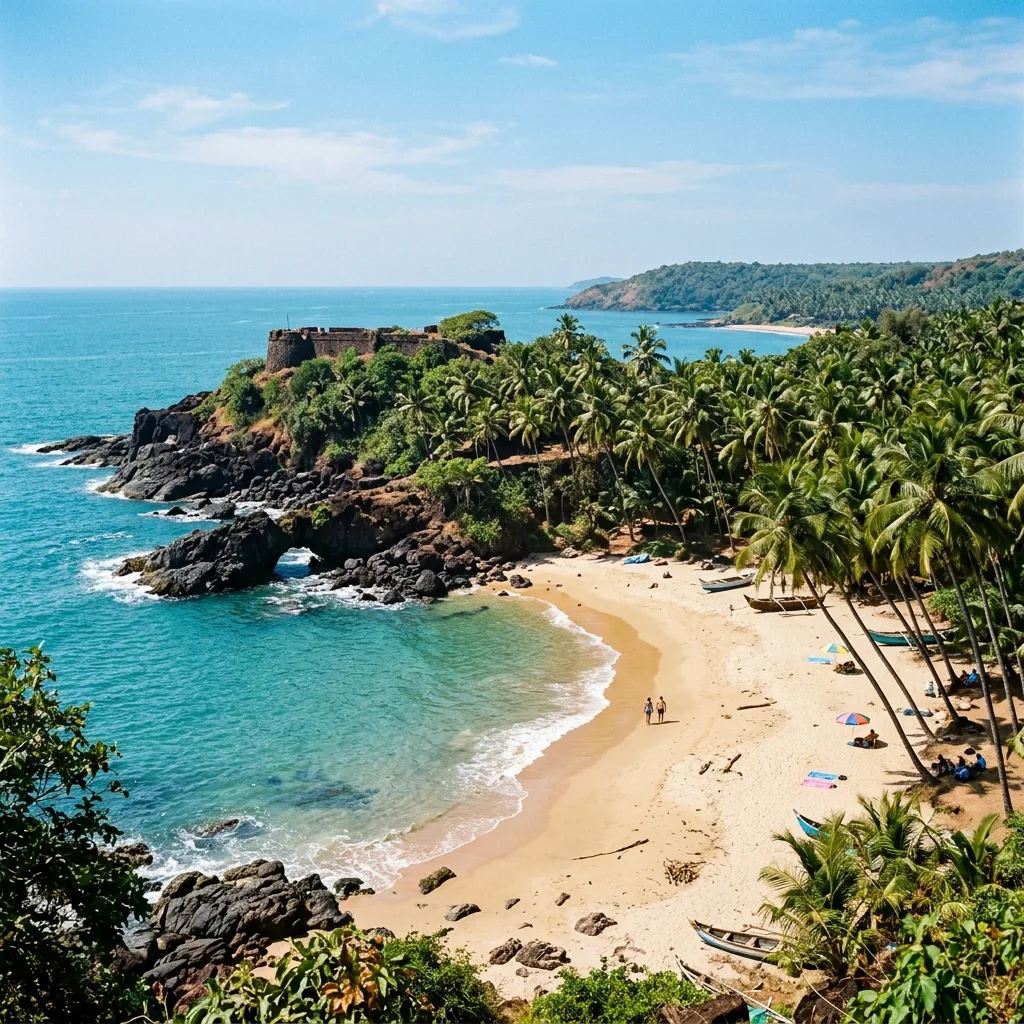
Many first-time visitors assume that Cabo de Rama Fort is the only attraction here. In reality, there's another beautiful spot hidden just below the cliffs - Cabo de Rama Beach.
Unlike Palolem or Agonda, this isn't a beach that attracts large crowds or a long line of beach cafés. It's much quieter, less commercial, and feels far more secluded. If you're looking for a peaceful stretch of sand where you can simply sit by the sea without hundreds of other tourists around you, Cabo de Rama Beach is definitely worth considering.
That said, it's important to keep your expectations realistic.
This isn't the kind of beach where you'll spend an entire day. Facilities are limited, there aren't many restaurants nearby, and depending on the season, the waves can be quite strong. Most travellers visit for an hour or two, enjoy the scenery, take a walk along the shore, and then continue exploring the rest of South Goa.
Getting to the beach also requires a little more effort than visiting the fort itself. While the fort is easily accessible by road, reaching the beach involves driving further down towards the coastline and, in some sections, walking a short distance. If you're travelling on a scooter or bike, the roads are manageable, but it's always worth driving carefully, especially during or just after the monsoon when roads can be slippery.
For most visitors, the best approach is to combine both attractions in a single trip. Start by exploring the fort in the afternoon, spend some time at Cabo de Rama Beach if you enjoy quieter beaches, and then return to the fort in time for sunset. It creates a relaxed itinerary without feeling rushed.
One of the biggest advantages of this area is that it still feels relatively untouched compared to some of Goa's more famous beaches. You won't find parasailing operators, loud music, or rows of commercial establishments here. Instead, you'll find rocky cliffs, clean sea views, and an atmosphere that's much closer to the slower side of South Goa.
If you're staying nearby, visiting both the fort and the beach becomes incredibly convenient. This is another reason many travellers choose accommodation around Agonda, Cola, or Palolem rather than staying further north. Not only are these beaches among the most scenic in Goa, but they also place you within easy driving distance of Cabo de Rama, Butterfly Beach, and several other attractions without spending hours on the road.
When planning that stay, it's worth comparing prices before you book. Many vacation rentals and villas are listed across multiple platforms, often at different prices. Since Wayzyy doesn't add its own markup on top of the host's pricing, travellers can often book the exact same property for up to 20% less than they would on larger booking platforms. If you're already planning to explore South Goa over three or four days, those savings can easily go towards another experience, a nice dinner, or even extending your stay by a night.
Of course, before setting out, it's helpful to know the practical details - how to reach Cabo de Rama Fort, where to park, whether there's an entry fee, and the best time to visit. Those small details can make the difference between a smooth trip and an unnecessarily stressful one.
How to Reach Cabo de Rama Fort
One of the best things about Cabo de Rama Fort is that getting there is surprisingly straightforward. Unlike attractions such as Dudhsagar Falls, where you need to plan around jeep safaris and entry timings, Cabo de Rama can be reached directly by road. Whether you're renting a scooter, driving a car, or hiring a taxi, the journey itself is part of the experience, with scenic coastal roads and small Goan villages along the way.
If you're staying in South Goa, the fort is easily accessible within an hour from most popular destinations.
| Starting Point | Approximate Distance | Travel Time |
|---|---|---|
| Agonda Beach | 16 km | 25–30 minutes |
| Cola Beach | 12 km | 20–25 minutes |
| Palolem Beach | 30 km | 45–50 minutes |
| Patnem Beach | 33 km | 50–55 minutes |
| Margao | 30 km | 45–50 minutes |
| Benaulim | 37 km | Around 1 hour |
If you're staying in North Goa - places like Calangute, Baga, Candolim, or Anjuna - the drive can easily take 2 to 2.5 hours each way, depending on traffic. While it's certainly possible as a day trip, you'll spend a significant portion of your day on the road. That's one of the reasons many travellers choose to spend at least a couple of nights in South Goa instead of trying to cover everything from the north.
For most visitors, renting a scooter or self-driving a car is the most convenient option. The roads leading to Cabo de Rama are generally in good condition, and the final stretch offers beautiful views of the coastline. If you're not comfortable driving, taxis are readily available, although they're naturally more expensive for longer distances.
Another option is using public transport, but it isn't the most practical. You'll likely need multiple bus changes followed by a taxi or auto for the final stretch. Unless you're travelling on a very tight budget, renting a scooter or sharing a cab usually saves both time and effort.
Parking is available near the entrance to the fort, and from there it's just a short walk inside the complex. There isn't a long hike involved, making Cabo de Rama suitable for families, older travellers, and anyone who wants spectacular views without much physical effort.
This is also where your choice of accommodation starts to matter. If Cabo de Rama is on your itinerary, staying around Agonda, Cola, or Palolem means you'll spend more time exploring and less time driving. Since many travellers visit several nearby attractions - like Butterfly Beach, Galgibaga, and Cotigao Wildlife Sanctuary - having a base in South Goa simply makes the trip more relaxed.
Planning your stay nearby? Get it up to 20% cheaper on Wayzyy
Statistically speaking, global booking platforms mark up rates by up to 20% to cover commissions and service fees. Because Wayzyy doesn't add any markup from our end, you get direct direct-from-host pricing for the same property.
Our team is working hard to get in front of your eyes. With over 500 properties and 50 hosts already onboarding, we are increasing the options before our launch so that we have choices for all your travel needs.
If you're booking a villa or vacation rental for a few nights, it's worth comparing the same property across platforms before making a reservation. Wayzyy works directly with hosts and doesn't add an extra markup on top of their listed pricing, which means you'll often find the same accommodation for up to 20% less than on larger booking platforms. For longer stays, that difference can translate into meaningful savings without changing where you stay.
Once you've figured out how to get there, the next practical questions are usually the simplest ones: Is there an entry fee? What are the opening hours? And when is the best time of day to visit? Those details can help you plan the perfect visit without any last-minute surprises.
Cabo de Rama Fort Timings, Entry Fee & Best Time to Visit
One of the reasons Cabo de Rama Fort is such an easy addition to a South Goa itinerary is that visiting doesn't require much planning. There are no expensive tickets to buy, no guided tours that need advance reservations, and no complicated entry process. You can simply drive up, park your vehicle, and start exploring at your own pace.
Cabo de Rama Fort Timings
The fort is generally open every day from 9:30 AM to 5:30 PM. While people often arrive close to sunset, it's a good idea not to leave it until the very last minute. Reaching at least an hour before sunset gives you enough time to walk around the fort, explore the viewpoints, visit the chapel, and then settle down for the evening views instead of rushing through everything.
Entry Fee
One of the best things about Cabo de Rama is that there is no entry fee.
Unlike some heritage attractions that charge separate fees for parking, cameras, or guided tours, Cabo de Rama can be enjoyed completely free. The only expense you'll usually have is transportation, whether that's a scooter rental, fuel, or a taxi from your accommodation.
Best Time to Visit
Although the fort is open throughout the year, the overall experience changes quite a bit depending on when you visit.
October to February is easily the best time. The weather is pleasant, humidity is lower, and the clear skies make the coastal views even more spectacular. This is also when South Goa is at its liveliest, with most cafés, beach shacks, and attractions operating at full capacity.
From March to May, temperatures begin to rise. The fort is still open, but walking around in the afternoon can feel quite hot since much of the area is exposed with very little shade. If you're visiting during summer, it's best to arrive either early in the morning or later in the evening.
The monsoon season (June to September) transforms the landscape completely. Everything around the fort turns lush green, the cliffs look dramatic, and the sea becomes far more powerful. However, frequent rain, slippery pathways, and cloudy skies can sometimes limit visibility and make sunsets less predictable. If your main goal is photography or panoramic views, the post-monsoon months usually offer a better experience.
Morning vs Evening
If you're wondering whether to visit in the morning or evening, the answer depends on what you're looking for.
Morning visits are quieter. You'll encounter fewer people, the weather is cooler, and it's easier to explore the fort without waiting for popular photo spots.
Evenings, however, are what Cabo de Rama is famous for. Watching the sun slowly disappear over the Arabian Sea from the fort walls is an experience that's difficult to replicate elsewhere in South Goa. If it's your first visit, the evening is generally the better choice.
A simple itinerary that works well for many travellers is spending the morning relaxing at Agonda or Cola Beach, enjoying lunch at a nearby café, and then driving to Cabo de Rama in the late afternoon for sunset. It keeps the day relaxed without constantly moving from one attraction to another.
If you're planning an itinerary like this, staying somewhere nearby makes the experience much more enjoyable. Instead of driving back and forth from North Goa, many travellers choose vacation rentals around Agonda, Cola, or Palolem, giving them easy access to multiple attractions over several days. Before confirming your booking, it's worth comparing the same property across platforms. Since Wayzyy doesn't add an additional markup over the host's listed price, you'll often find the exact same villa or vacation rental for up to 20% less than on larger booking platforms - helping you spend more of your budget on experiences rather than booking fees.
Now that you know when to visit, let's look at a few practical tips and common mistakes that can make your trip smoother, especially if it's your first time visiting Cabo de Rama Fort.
Practical Tips & Common Mistakes to Avoid
Cabo de Rama Fort is one of those places where a little planning goes a long way. It's not a complicated attraction to visit, but knowing a few things beforehand can help you avoid unnecessary hassle and make the most of your trip.
- 1. Don't Plan Just the FortOne of the biggest mistakes travellers make is driving all the way to Cabo de Rama, spending 30–40 minutes there, and then immediately heading back. Instead, build a half-day itinerary around it. Visit Cola Beach in the morning, have lunch at Agonda, explore Cabo de Rama Fort in the afternoon, and stay for sunset. You'll experience a much more complete side of South Goa.
- 2. Carry WaterOnce you're inside the fort, you'll notice there aren't many facilities. The fort is largely preserved in its original form, so don't expect cafés, convenience stores, or plenty of shaded resting areas. A reusable water bottle, sunglasses, sunscreen, and comfortable footwear are essential.
- 3. Don't Expect a Restored Heritage MonumentMany visitors arrive expecting something similar to forts like Aguada or restored heritage complexes elsewhere in India. Cabo de Rama is different. The charm lies in its weathered walls, open viewpoints, and untouched character. There aren't interactive museums, guided exhibits, or reconstructed buildings. If you visit expecting dramatic coastal views and centuries-old ruins, you'll love it.
- 4. Arrive Before Sunset, Not At SunsetPeople often plan to reach exactly at sunset, only to realise they've barely had time to explore the fort before the light disappears. Aim to arrive 60–90 minutes before sunset. That gives you enough time to walk around, take photographs in daylight, and then enjoy the changing colours as the sun goes down.
- 5. Wear Comfortable FootwearAlthough there isn't any trekking involved, you'll still be walking across uneven stone pathways, old steps, and open ground. Flip-flops work, but comfortable walking shoes or sturdy sandals are a much better choice, especially if you've already spent the day exploring beaches.
- 6. Don't Rush Through South GoaPerhaps the biggest mistake isn't about Cabo de Rama itself - it's trying to cover all of South Goa in a single day. Many travellers stay in North Goa, drive nearly three hours to Cabo de Rama, squeeze in Agonda, Palolem, Butterfly Beach, and Cola Beach on the same day, then spend another three hours driving back. A much better approach is to stay in South Goa for two or three nights to explore without constantly watching the clock.
This is where choosing the right accommodation can genuinely improve your trip. Instead of booking wherever is cheapest, look for a villa or vacation rental that's centrally located around Agonda, Cola, or Palolem. You'll reduce driving time and have much more flexibility with your itinerary.
If you're comparing accommodation options, it's worth checking Wayzyy before you book elsewhere. Since we don't add an extra markup over the host's pricing, travellers can often find the exact same property for up to 20% less than on many larger booking platforms. It's the same stay, often at a better price, simply because we keep pricing closer to what the host intended.
Frequently Asked Questions
Final Thoughts
Cabo de Rama Fort isn't the kind of place that overwhelms you with activities or tourist attractions. Instead, it offers something that's becoming increasingly rare in Goa - a chance to slow down.
Whether you're standing on the centuries-old fort walls, watching waves crash against the cliffs below, exploring the quiet chapel, or waiting for one of South Goa's most beautiful sunsets, Cabo de Rama leaves a lasting impression without trying too hard.
The best way to experience it is not as a quick stop on a packed itinerary but as part of a slower journey through South Goa. Spend a few days exploring nearby beaches like Agonda, Cola, and Palolem, discover hidden viewpoints, enjoy local cafés, and let places like Cabo de Rama become highlights rather than checkboxes.
And when you're planning that stay, don't forget to compare prices before booking. Wayzyy specializes in vacation rentals across Goa and works directly with hosts without adding an extra markup on top of their pricing. That means you can often book the same villa or holiday home for up to 20% less than on larger booking platforms. It's a simple way to stretch your travel budget further while staying exactly where you want.
If you're looking for a side of Goa that's rich in history, breathtaking in scenery, and refreshingly peaceful, Cabo de Rama Fort deserves a place on your itinerary.
Want to list your villa on Wayzyy?
Email us at hello@wayzyy.com - Wayzyy is launching soon in Goa.