
Galgibaga Beach Goa (2026): The Honest Guide to Turtle Nesting, Swimming & Stays
Heading to Galgibaga Beach in South Goa? Read our complete, honest guide on Olive Ridley turtle nesting season, swimming safety, shacks, and whether to stay near Palolem.
Published 6 August 2026
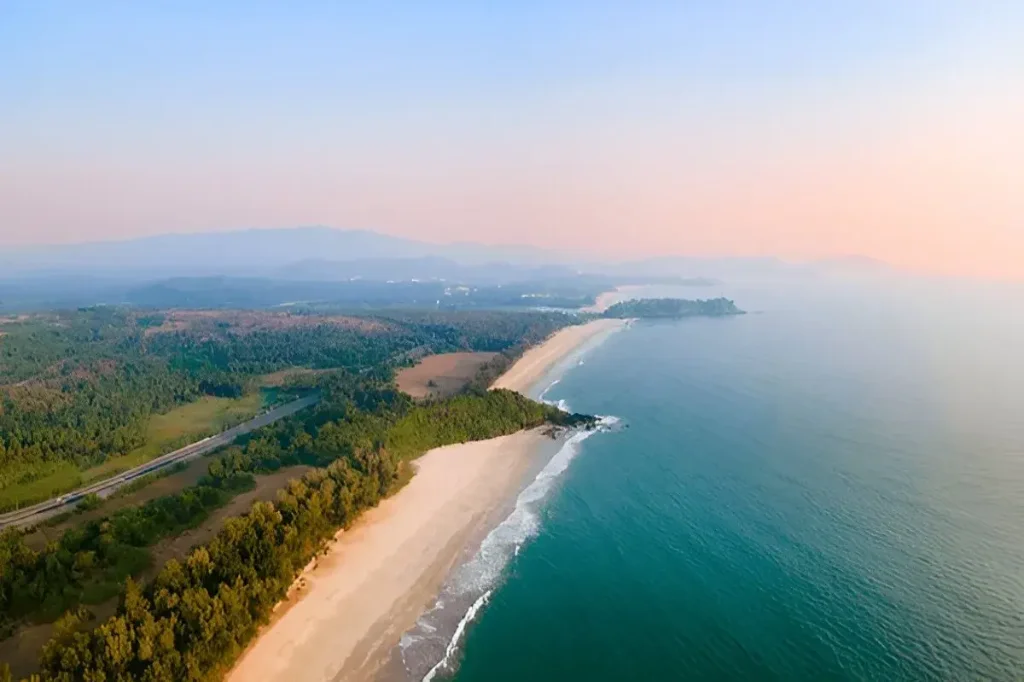
Most people discover Galgibaga Beach only after they've visited Goa two or three times.
Their first trip usually revolves around Baga, Calangute, Anjuna or Palolem. Their second trip is often about finding quieter beaches. That's when Galgibaga starts appearing in conversations, Reddit threads and recommendations from locals who'd rather not see it become the next overcrowded destination.
Located in the Canacona region of South Goa, around 7 km from Palolem Beach, Galgibaga is one of the few places in Goa that still feels remarkably untouched. It's also one of only three officially protected Olive Ridley turtle nesting beaches in the state, alongside Agonda and Morjim, which explains why development here has remained intentionally limited.
If you're expecting rows of beach shacks, loud music, water sports and a packed shoreline, you'll probably be disappointed. If you're looking for a long stretch of silver sand, peaceful walks, dramatic sunsets and a beach where conservation comes before commercialization, Galgibaga offers something that's becoming increasingly difficult to find in Goa.
That's also why many travel guides fail to set the right expectations.
Most describe Galgibaga as a "hidden gem" and stop there. What they don't tell you is that choosing to visit Galgibaga means accepting a different kind of beach experience. There are no endless cafés lining the shore, no beach clubs and very few commercial establishments. The lack of development isn't accidental - it's a direct result of the area's protected turtle nesting status, which has helped preserve the coastline in its natural form.
The beach itself stretches for around 1.7 kilometres and is divided into two distinct sections. The southern side is open to visitors, while parts of the northern section remain protected during the turtle nesting season because that's where the Galgibaga River meets the Arabian Sea. This estuary is not only one of the most scenic parts of the beach but also attracts birdlife that many visitors don't expect to find here.
Another reason Galgibaga feels different is the crowd. Even during Goa's busiest months, this beach rarely feels packed. Instead of competing for space on the sand, you'll often find photographers waiting for sunset, couples enjoying a quiet evening walk, birdwatchers exploring the estuary and travellers who've deliberately driven past the busier beaches in search of something more peaceful.
If you're planning a South Goa itinerary, Galgibaga isn't the place where you'll spend an entire day hopping between activities. It's the place where you slow down, put your phone away and appreciate why some beaches are better left exactly as they are.
Before deciding whether Galgibaga deserves a place on your itinerary, it's worth understanding what the beach is actually like once you arrive - because the reality is quite different from what most travel blogs describe.
What Galgibaga Beach Is Actually Like
One of the biggest mistakes travellers make is arriving at Galgibaga expecting another Palolem or Agonda. It isn't. In fact, that's exactly what makes it special.
Unlike many beaches in Goa that have gradually become lined with cafés, beach shacks and commercial activities, Galgibaga has remained largely untouched. There are no rows of restaurants facing the sea, no water sports operators calling you over and no music playing from beach clubs throughout the day. Instead, you'll find a long stretch of open shoreline where the sound of the waves is often the loudest thing you'll hear.
The beach itself is divided into two distinct sections, something surprisingly few travel guides explain clearly. The southern section is where most visitors spend their time walking, relaxing and watching the sunset. Towards the northern end, where the Galgibaga River meets the Arabian Sea, you'll find the protected turtle nesting area. During the nesting season, this section is monitored by the Forest Department, and visitors are expected to respect the restricted zones that help protect the nesting sites.
One detail that often catches visitors by surprise is the colour of the beach. Unlike the golden sand many people associate with Goa, Galgibaga has a distinctive silver-hued shoreline stretching for around 1.7 kilometres. At one end, the estuary creates a peaceful setting that's popular with birdwatchers, while the opposite end features volcanic rocks and a small natural lagoon that many travellers discover only after walking the length of the beach. These are some of the most photogenic parts of Galgibaga, yet they're rarely mentioned in mainstream travel guides.
Because the beach is protected, facilities are intentionally limited. There are no beach shacks, no public changing rooms, no lifeguards and no large restaurants directly on the sand. Near the entrance, you'll usually find a small local shop selling drinking water, snacks and a few basic essentials, but that's about it. If you're planning to spend several hours here, it's worth carrying enough water, sunscreen and anything else you might need before arriving.
Swimming is generally possible, but it's important to know where. The waters along most of the accessible beach are relatively calm, making them suitable for a relaxed swim when sea conditions are favourable. However, the river mouth near the northern estuary can have noticeably stronger currents, so it's best avoided, particularly if you're unfamiliar with the area. Since there are no lifeguards or designated swimming zones, you'll need to assess the conditions carefully before entering the water.
Perhaps the biggest trade-off is connectivity - not just in terms of mobile signal, but convenience overall. Mobile coverage can be patchy depending on your network, parking requires a short walk across soft sand, and you won't have dozens of cafés or shops within a few minutes' walk. For some travellers, these are inconveniences. For others, they're exactly why Galgibaga remains one of the few beaches in Goa that still feels genuinely peaceful.
The Turtle Nesting Season: What to Expect (And What Not to Do)
The biggest reason Galgibaga Beach has remained so untouched isn't luck. It's conservation.
Galgibaga is one of only three officially designated Olive Ridley turtle nesting beaches in Goa, alongside Agonda and Morjim. Every year, female Olive Ridley turtles return to this coastline to lay their eggs, making the beach one of Goa's most important protected coastal ecosystems.
The nesting season generally begins in November, with the highest activity taking place between December and February. The Goa Forest Department continues monitoring the beach until around April, protecting nests and ensuring hatchlings have the best possible chance of reaching the sea safely.
This conservation work is also the reason Galgibaga looks so different from many other beaches. The absence of beach shacks, commercial construction and heavy nightlife isn't because the area hasn't been developed - it's because development is intentionally restricted to protect one of Goa's most sensitive nesting habitats. In many ways, the peaceful atmosphere visitors enjoy today exists because these conservation efforts have been taken seriously for years.
If you're visiting during the nesting season, it's important to understand that parts of the beach operate differently. The northern section, where most nesting activity takes place, is protected and may have restricted public access. Visitors are expected to remain within accessible areas, follow Forest Department signage and avoid entering protected nesting zones. During some periods, late-night access may also be restricted to minimise disturbance to nesting turtles and hatchlings.
One question many travellers ask is: "Can I actually see the turtles?"
Possibly - but only under the right circumstances. The Goa Forest Department occasionally organises limited, supervised hatchling-viewing sessions for the public. These aren't daily tourist attractions or commercial experiences. They're conducted in a controlled manner to ensure the turtles aren't disturbed, and availability depends entirely on the nesting season and conservation requirements. If you're specifically hoping to witness this experience, it's worth checking with the Canacona Forest Department or asking your accommodation in Palolem or Agonda if any supervised viewings are taking place during your visit.
Whether or not you see a turtle, every visitor plays a role in protecting the beach. A few simple actions make a significant difference:
- Avoid using flash photography near nesting areas.
- Don't shine torches or phone lights towards the beach at night.
- Never touch turtle nests, eggs or hatchlings.
- Stay outside protected nesting zones.
- Avoid creating loud noise, especially after sunset.
- Leave the beach exactly as you found it by carrying your waste back with you.
How to Reach Galgibaga Beach (And the Parking Reality Nobody Warns You About)
Getting to Galgibaga Beach is fairly straightforward, but the last few minutes of the journey are something most travel guides completely overlook.
If you're already staying in Palolem, you'll reach Galgibaga in around 15 to 20 minutes by scooter or car. From Patnem, the drive is even shorter at roughly 10 to 15 minutes, while Agonda is about 20 to 25 minutes away. This makes Galgibaga one of the easiest day trips if you're exploring the southern coastline of Goa.
If you're travelling directly from the airports, expect a longer drive. Dabolim Airport is approximately 75 km away, taking around 1.5 to 2 hours, while Manohar International Airport (Mopa) is roughly 95 km, with a journey time of about 2 to 2.5 hours, depending on traffic. Travellers arriving by train will usually find Canacona Railway Station the closest option, although Madgaon Junction offers better connectivity from major cities across India.
For most visitors, renting a scooter is by far the best way to reach Galgibaga. The roads leading towards the beach are generally comfortable to drive, but the final approach is where things become different. During the last stretch, the road narrows considerably, and the final 200 metres leading to the beach effectively become a single-lane access road. It's not difficult to navigate, but larger vehicles may need to wait for oncoming traffic before proceeding.
This also explains why parking catches many first-time visitors by surprise. There isn't a large, organised parking lot waiting at the beach entrance. Instead, visitors usually park along an informal roadside area before the final approach and then walk the remaining distance across soft sand to reach the shoreline. There is no confirmed parking fee, but because the parking area isn't formally developed, it's worth arriving a little earlier during weekends or peak season.
The short walk isn't particularly difficult for most travellers, but it's something families with strollers or elderly visitors should keep in mind. There are no paved pathways or accessibility ramps, so comfortable footwear is always a better choice than carrying heavy luggage or multiple bags.
Another practical tip is to download your maps before leaving Palolem or Agonda. Mobile connectivity near Galgibaga can be inconsistent depending on your network provider. Offline maps downloaded before starting the drive can save unnecessary frustration.
Is Galgibaga Beach Safe for Swimming?
For most visitors, yes - Galgibaga Beach is generally safe for swimming, but it's important to understand that this isn't a heavily managed tourist beach. Unlike beaches with designated swimming zones, lifeguard towers and warning flags, Galgibaga remains largely untouched.
Along most of the accessible southern stretch, the sea is usually calm during the tourist season, making it suitable for a relaxed swim when weather conditions are favourable. Families with children often choose this part of the beach because the shoreline slopes gently and the atmosphere is much quieter than many of Goa's more commercial beaches.
However, the same advice doesn't apply to the entire coastline. Towards the northern end, where the Galgibaga River flows into the Arabian Sea, currents can become noticeably stronger. Although the estuary is one of the most scenic parts of the beach, it's also the area where swimming should be avoided. The changing currents near the river mouth can be unpredictable.
Another important point is that there are no lifeguards stationed at Galgibaga Beach. There are no marked swimming areas, no safety flags and no rescue services. Before entering the water, always assess the conditions yourself.
The same "come prepared" approach applies to the rest of your visit. You'll find no public toilets, no changing rooms and no beach shacks once you reach the sand. Carry drinking water, sunscreen and essentials.
What to Visit Near Galgibaga Beach
One of the biggest advantages of visiting Galgibaga Beach is that you're already in one of the most beautiful parts of South Goa. Instead of making the drive just to spend an hour on the beach, it's worth planning a full day around the surrounding coastline.
The easiest addition to your itinerary is Palolem Beach, located just 7 kilometres away. Palolem offers a completely different atmosphere. Many travellers choose to stay in Palolem and make a half-day trip to Galgibaga. If you're deciding where to base yourself, Palolem gives you restaurants, supermarkets, medical facilities and a much wider choice of villas while keeping Galgibaga within a comfortable 15 to 20-minute scooter ride.
Just a little further north is Patnem Beach, often described as Palolem's quieter neighbour. It attracts travellers looking for yoga retreats, peaceful cafés and a slower pace without feeling completely isolated.
If hidden beaches are what brought you to South Goa, Cola Beach deserves a place on your itinerary. Known for its freshwater lagoon and dramatic coastline, Cola remains one of Goa's most unique beaches. Reaching it takes a little extra effort, but that's why it has managed to retain its natural beauty.
Travellers looking for something beyond beaches should consider Cabo de Rama Fort. Perched high above the Arabian Sea, the fort offers sweeping coastal views and one of the most peaceful sunset spots in Goa. Nature lovers can also head towards Cotigao Wildlife Sanctuary, one of Goa's lesser-known protected forests.
Should You Stay at Galgibaga or Base Yourself in Palolem?
This is probably the most important decision you'll make if you're planning to visit Galgibaga. The truth is that Galgibaga is a destination, not a tourist hub.
There are only a handful of homestays near the beach, and accommodation options remain deliberately limited because of the protected nesting status. If your idea of a holiday is complete silence, waking up to an almost empty beach and disconnecting, staying near Galgibaga can be a wonderful experience. Just remember that you'll be giving up many of the conveniences travellers take for granted.
For most visitors, Palolem is the better base. Located just 7 kilometres away, it gives you the best of both worlds. During the day, you can explore Galgibaga, Patnem or Butterfly Beach, and by evening return to a place with excellent cafés, restaurants, medical facilities and a much larger selection of accommodation.
If you're looking for something quieter than Palolem but don't want to stay as remotely as Galgibaga, Patnem is an excellent middle ground.
At Wayzyy, we focus on curated, verified villa stays. Every verified property goes through a manual review process before receiving its verification badge, helping guests book with greater confidence.
Frequently Asked Questions About Galgibaga Beach
Final thoughts
Ultimately, there isn't a right or wrong choice. If your goal is complete peace, nature and disconnecting for a few days, staying near Galgibaga may be exactly what you're looking for.
If you're visiting South Goa for the first time, however, basing yourself in Palolem or Patnem and exploring Galgibaga as a day trip is the option we'd recommend to most travellers. It gives you far more flexibility while still allowing you to experience one of Goa's last truly untouched beaches.
Want to list your villa on Wayzyy?
Email us at hello@wayzyy.com - Wayzyy is launching soon in Goa.