
How to Start an Airbnb Business in India (2026): Everything Nobody Tells You
A complete business-first guide to starting a vacation rental in India. Learn about rental arbitrage vs buying, operational setup, licenses, and avoiding costly mistakes.
Published 3 August 2026
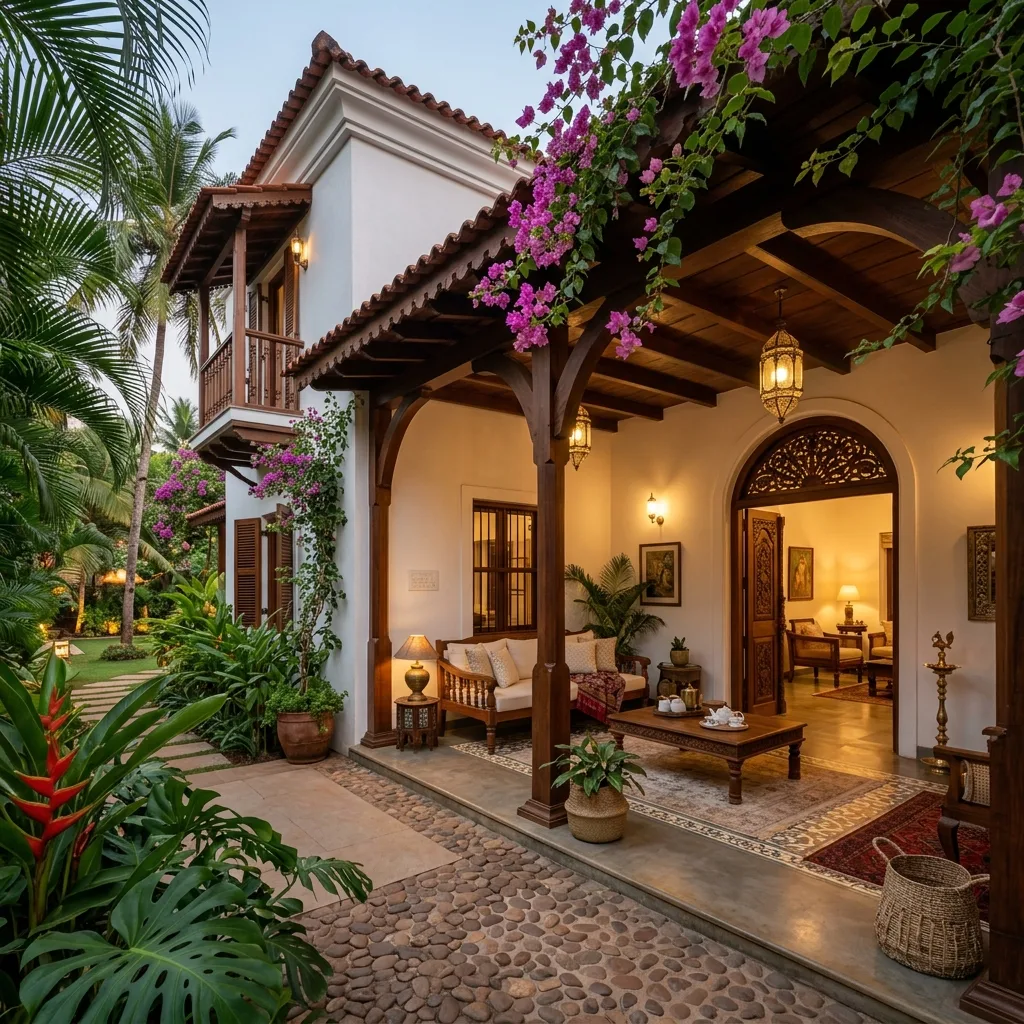
How to Start an Airbnb Business in India (2026): Everything Nobody Tells You
If you've searched "How to start an Airbnb business" recently, you've probably noticed a pattern.
Almost every guide follows the same advice. Buy a property, furnish it, create an Airbnb account, upload professional photographs and wait for bookings to arrive. On paper, the process feels surprisingly simple, which is one of the reasons thousands of people decide to enter the short-term rental business every year.
The opportunity is certainly real.
Travel has changed significantly over the past few years. Families increasingly prefer staying together in villas instead of booking multiple hotel rooms, remote professionals are extending holidays into workations and travellers are looking for experiences that feel more personal than a standard hotel stay. Vacation rentals have naturally become one of the fastest-growing parts of the hospitality industry, creating an attractive opportunity for anyone considering turning a second home or investment property into a business.
What many people don't realise, however, is that buying a property is often the easiest part of the journey.
Running it successfully is where the real challenge begins.
Most people believe the hard part is getting their first booking.
It isn't.
Finding guests is only one part of running a successful Airbnb. Once someone checks in, you're responsible for everything that follows - from making sure the property is spotless and the Wi-Fi works to handling late-night calls, maintenance requests and reviews that can influence future bookings.
That's why an Airbnb should never be looked at as a side hustle that runs on its own. The hosts who build successful vacation rental businesses are usually the ones who treat it like any other business. They create systems, focus on hospitality and understand that every guest experience contributes to the reputation of their property.
Spend a few minutes reading Airbnb host communities on Reddit or Facebook, and you'll quickly notice a pattern. Very few conversations are about getting the first booking. Most discussions revolve around guest expectations, unexpected expenses, difficult reviews, pricing decisions and the day-to-day challenges of running a hospitality business.
Preparing your property is only half the job. Preparing yourself to run the business is equally important.
That's exactly why this guide is different.
Instead of walking you through how to create an Airbnb listing in ten easy steps, we're going to focus on the decisions that actually determine whether your vacation rental becomes a profitable business. We'll cover choosing the right property, understanding your target guests, preparing your operations, avoiding the mistakes that catch most first-time hosts off guard and building a business that continues growing long after the excitement of the first booking wears off.
By the time you finish reading, you'll have a much clearer picture of what it really takes to build a successful vacation rental business - not just how to publish a listing online.
Because starting an Airbnb is easy.
Building a hospitality business that guests trust, recommend and return to takes planning, consistency and a willingness to think beyond the next booking.
Before You Buy a Property, Decide What Business You're Actually Building
One of the biggest mistakes first-time hosts make happens long before their listing goes live.
They spend weeks comparing furniture, choosing paint colours and planning interiors without first answering a much more important question:
How are you actually entering this business?
Not every successful host owns the property they're listing.
Some purchase a second home specifically as an investment.
Others convert a family-owned property or holiday home into a vacation rental.
A growing number of entrepreneurs also build successful businesses by leasing properties from owners through long-term agreements and operating them as short-term rentals - a model commonly known as rental arbitrage. While this approach requires lower upfront investment, it also demands careful planning, clear agreements with the property owner and a thorough understanding of local regulations before welcoming guests.
There's no universally right approach.
Buying gives you complete control over the property and allows you to benefit from long-term appreciation, but it usually requires significantly more capital. Leasing can reduce the initial investment and help you expand more quickly, although your profitability depends heavily on securing the right lease terms and maintaining consistently healthy occupancy throughout the year.
Regardless of which path you choose, the next decision remains exactly the same.
Who is this property actually meant for?
The answer influences almost every decision you'll make afterwards.
A villa designed for large families will look very different from an apartment targeting business travellers. Likewise, a property aimed at weekend groups has completely different requirements than one catering to remote professionals staying for a month.
Trying to appeal to everyone usually leads to a property that stands out to no one.
Successful hosts understand exactly who they're building for before they start spending money.
Treat It Like a Business Before You Treat It Like an Airbnb
Excitement often pushes new hosts to create a listing as quickly as possible.
The sooner the property goes live, the sooner bookings can start coming in - or at least that's how most people think. In reality, spending a few extra weeks building a strong foundation usually saves months of stress once guests begin arriving.
One of the first things to sort out is the legal side of the business.
Depending on where your property is located, you may need tourism registrations, local permissions, GST registration if applicable or approvals from the property owner if you're operating a leased home. Taking care of these requirements early prevents unnecessary problems once the business starts growing.
Listing specifically in Goa?
We put together a full Goa Host Compliance Checklist covering exactly which documents, fees, and government registrations you need before going live - and what actually gets listings rejected beyond the paperwork.
Finances deserve just as much attention.
Most people calculate how much they can earn, but very few calculate how much they'll actually keep. Furnishing the property is only the beginning. Every booking brings recurring costs like housekeeping, laundry, electricity, internet, maintenance, guest amenities and staff. Those expenses continue whether you're managing one booking a month or a fully occupied calendar.
Then comes the cost that many first-time hosts don't think about until much later - the platform itself.
Imagine you've listed your property for ₹5,000 per night. A booking comes in and everything feels great until you realise that if you're paying around 16% in platform fees, roughly ₹800 from that booking is already gone. You haven't paid your cleaner yet. Your caretaker still needs to be paid. Electricity, laundry and maintenance are still waiting. Now imagine that happening on every reservation throughout the year.
That's why experienced hosts don't just compare platforms based on bookings.
They also compare them based on what the business looks like after all the costs have been deducted.
This is one of the reasons Wayzyy follows a different approach. Instead of taking a large percentage from every successful reservation, the platform works on a recharge-based credit model. If your property generates around ₹1 lakh in bookings, you're looking at a recharge of roughly ₹2,200 instead of losing ₹16,000 or more in recurring commissions. That difference doesn't just improve profitability - it gives you the flexibility to hire better staff, maintain the property properly and continue investing in the guest experience rather than watching a larger percentage disappear every time your business grows.
Calculate Your True Earning Leak
See how much you lose to Airbnb's 18% fees versus Wayzyy's flat-rate credits.
Traditional commission models charge a flat rate that scales indefinitely with your bookings.
No commission deducted from individual payouts. Unlock booking volumes with simple credits.
₹80,000 / Month
Another habit worth building from the very beginning is treating your finances professionally.
Use a separate bank account for the business, maintain clear records of income and expenses and keep a financial buffer for slower seasons or unexpected repairs. Many successful hosts also explore government-backed schemes such as PMEGP, Pradhan Mantri Mudra Yojana (MUDRA) and Stand-Up India where they're eligible, especially if they're setting up a new hospitality venture or converting an existing property into a commercial business.
Buying vs Leasing Callout:
Buying vs Leasing: If you're leasing a property, calculate your fixed monthly rent before estimating potential Airbnb income. Unlike homeowners, your rental payment continues regardless of occupancy, making cash flow management and seasonal planning even more important.
Running a vacation rental isn't just about welcoming guests.
It's about building a business that's prepared to handle growth, unexpected expenses and changing market conditions without compromising the experience you deliver.
The hosts who understand that early are usually the ones still growing their business years later, while others are left wondering why a fully booked calendar didn't automatically translate into a profitable one.
Build a Property Guests Will Recommend, Not Just Book
Once the legal and financial planning is in place, most hosts immediately start shopping for furniture.
There's nothing wrong with that, but it's surprisingly easy to spend money in the wrong places.
Many first-time hosts invest heavily in expensive décor because it looks impressive in photographs. Meanwhile, the things guests actually remember - comfortable beds, spotless bathrooms, reliable Wi-Fi, a functional kitchen and smooth communication - receive far less attention.
That's where the difference between a beautiful property and a successful hospitality business starts to show.
A guest may choose your property because of the photographs. They'll recommend it because of the experience.
Think about your own travels.
You're far more likely to remember a host who responded within minutes, a kitchen that had everything you needed or a bed that helped you sleep well after a long day than an expensive painting hanging on the wall.
Small details often leave the biggest impression.
Fresh linen. Fast internet. Clearly labelled appliances. Easy check-in instructions. Backup power during unexpected outages. Basic toiletries. A few bottles of drinking water waiting for guests after a long journey. None of these additions are particularly expensive on their own, yet together they create the feeling that someone genuinely cared about the guest's stay.
Cleanliness deserves even more attention.
Guests may forgive minor inconveniences, but they rarely overlook poor housekeeping. Dust, stained linen, unpleasant odours or an untidy kitchen can quickly turn an otherwise excellent property into an average experience. That's why many experienced hosts treat professional housekeeping as an investment rather than an expense.
Another area that's often underestimated is maintenance.
Every property needs attention over time. Air conditioners require servicing, plumbing issues appear without warning, locks stop working, appliances eventually need replacing and internet connections occasionally fail. Having trusted electricians, plumbers, cleaners and maintenance staff available before these situations arise saves both time and guest frustration.
Photography is another investment that pays for itself.
Professional photographs don't just make a property look attractive - they help guests understand exactly what they're booking. Accurate images build trust, reduce misunderstandings and generally attract guests whose expectations match the experience you're offering.
One thing worth remembering is that preparing a property never truly ends.
The highest-rated vacation rentals aren't necessarily the newest ones. They're the homes where owners continuously improve the experience based on guest feedback. A suggestion made by one family today could become the reason another family chooses your property six months later.
Hospitality is an ongoing process of refinement.
Every review gives you an opportunity to improve, every booking teaches you something new and every small upgrade increases the chances of guests returning again.
That's why successful hosts don't stop investing once the property is ready.
They continue improving it long after the first guest has checked in.
Choosing the Right Platform Is About More Than Just Getting Bookings
By the time your property is ready, you'll probably start comparing booking platforms.
For most first-time hosts, the decision usually comes down to one question:
"Which platform will get me the most bookings?"
It's a fair question.
Visibility matters, especially when you're launching your first vacation rental. A larger audience can help you fill your calendar faster and build your first few reviews.
But experienced hosts usually ask another question before they decide where to list.
"How much will this platform help my business grow after I start getting bookings?"
That's a completely different way of looking at the decision.
A booking platform shouldn't just help you receive reservations. It should make it easier to run your business, protect your guests, reduce unnecessary operational headaches and allow you to keep enough of your earnings to continuously improve the property.
Take commissions as an example.
Suppose you've listed your villa for ₹5,000 per night. If the platform charges around 16%, that's nearly ₹800 from every booking before you've paid for cleaning, maintenance, electricity or your caretaker. Initially it may not feel like a significant amount, but once bookings become consistent, platform costs quietly become one of the largest recurring expenses in your business.
Imagine your property generates ₹1 lakh in bookings during the month.
That's approximately ₹16,000 leaving your business through commissions alone.
Now ask yourself a different question.
Where would you rather invest that ₹16,000?
Most hosts would probably choose to improve the property.
It could pay for a caretaker who delivers a better guest experience.
It could upgrade your internet connection for workation travellers.
It could fund new furniture, better mattresses, fresh linen or professional photography before the next tourist season begins.
Those are investments that improve reviews, increase repeat bookings and strengthen the business over time.
This is exactly the problem Wayzyy was designed to solve.
Instead of charging a large percentage every time your property performs well, Wayzyy follows a recharge-based credit model. If your property generates around ₹1 lakh in bookings, the platform cost is approximately ₹2,200, covering everything from listing your property and managing bookings to secure payments and platform support.
The biggest difference isn't simply paying less.
It's having the freedom to reinvest more into your business.
Choosing the right platform also goes beyond pricing.
Trust plays an equally important role.
Every host worries about similar questions before accepting a booking.
Is the guest genuine? Will the property be looked after? What happens if something goes wrong during the stay? Who helps resolve disputes? These are the moments where the quality of a platform matters far more than the number of listings it has.
That's why we built Wayzyy around three principles that independent hosts consistently told us they cared about most.
The first is verified trust, helping create greater confidence between hosts and guests before a booking is confirmed.
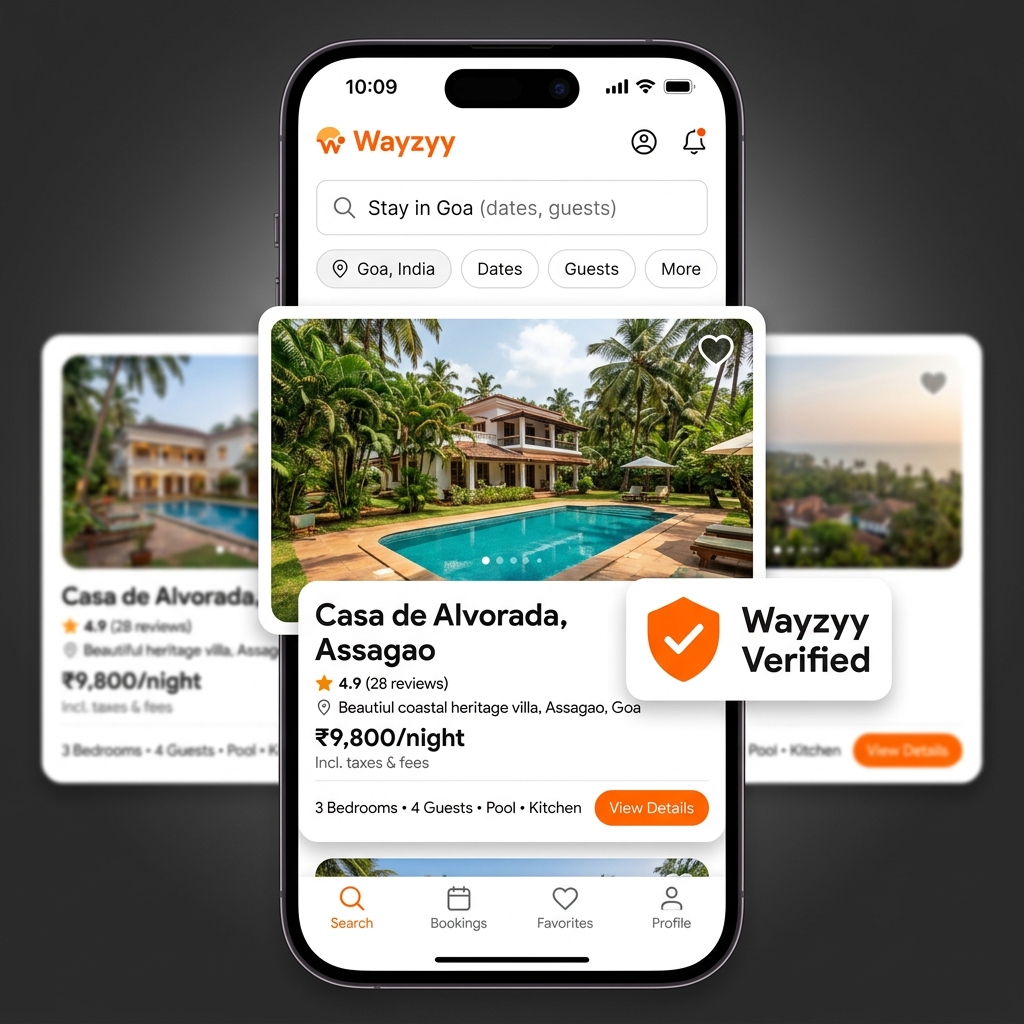
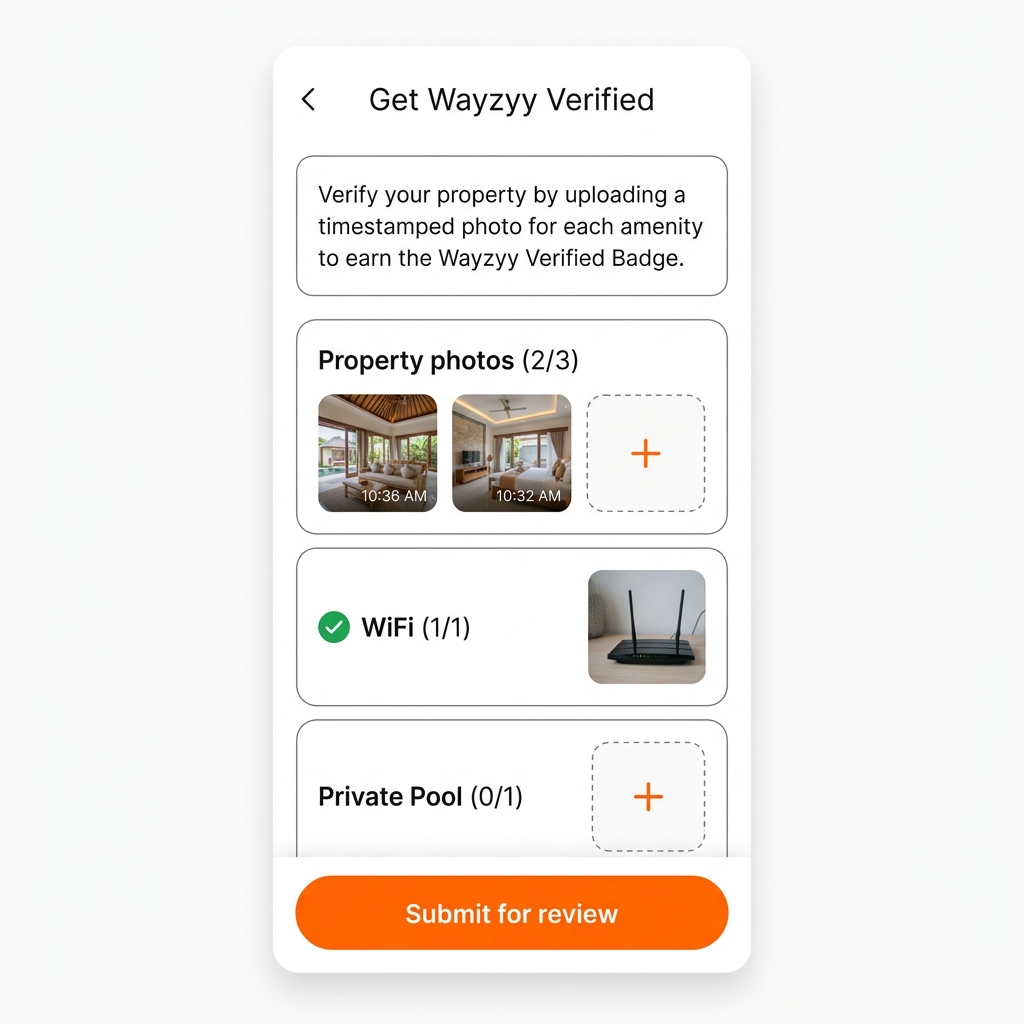
The second is a smoother booking and payment experience, reducing unnecessary friction while keeping both parties informed throughout the process.
The third is support when it actually matters. Whether it's resolving an issue, assisting with a booking or helping both sides reach a fair outcome, hosts shouldn't feel like they're managing every challenge alone.
At the end of the day, choosing a booking platform shouldn't be based only on today's bookings.
It should be based on the kind of business you want to build over the next five years.
The right platform doesn't simply help you fill your calendar. It helps you build a vacation rental business that's profitable, trusted by guests and sustainable enough to keep growing season after season.
Mistakes That Cost New Hosts Thousands of Rupees
Every experienced host has a story about a mistake they wish they had avoided during their first year.
Some learn those lessons after a poor guest review. Others realise them after spending money on upgrades that guests barely notice. Quite a few only understand the importance of profitability once they start comparing their revenue with the amount actually reaching their bank account.
The good news is that most of these mistakes are completely avoidable if you know what to look for.
One of the biggest mistakes is treating occupancy as the only measure of success.
A fully booked calendar certainly feels satisfying, but high occupancy doesn't automatically mean you're running a profitable business. If you're constantly discounting your property, paying high platform commissions and spending heavily to maintain bookings, your margins may be much smaller than you expected.
Another common mistake is competing only on price.
Lowering your nightly rate might help you secure a few extra bookings in the short term, but it often attracts guests who are comparing properties only on cost. Instead of trying to become the cheapest option in your area, focus on creating an experience that justifies your pricing. Guests are usually willing to pay more for clean homes, responsive hosts and a stay that feels effortless from check-in to check-out.
Many first-time hosts also underestimate the importance of repeat guests.
A family that has already stayed at your property knows what to expect, requires less convincing and is much more likely to recommend your home to friends or return during their next holiday. Building those relationships is often more valuable than constantly chasing new bookings.
Another lesson worth learning early is that not every expense should be viewed as a cost.
Professional photography, reliable housekeeping, faster internet and a dependable caretaker may increase your monthly spending, but they also improve guest satisfaction and strengthen your reviews. On the other hand, recurring expenses that don't improve the guest experience deserve much closer attention.
That's why it's important to review your business regularly.
Every few months, ask yourself a few simple questions.
- Which expenses are helping me deliver a better guest experience?
- Which costs are simply reducing my profit without adding much value?
- Is there a smarter way to operate the business?
- Am I investing enough back into the property?
Questions like these help you make better decisions as the business grows.
One area where many hosts are now rethinking their approach is platform costs. As bookings increase, recurring commissions naturally become a larger expense, which is why more hosts are starting to evaluate alternatives that allow them to retain a greater share of their earnings. Money saved on recurring platform fees can often be redirected towards improvements that guests actually notice - better housekeeping, property upgrades, additional amenities or even expanding into another vacation rental.
Building a successful Airbnb business isn't about avoiding every mistake.
That's almost impossible.
The real advantage comes from identifying those mistakes early, learning from them and creating systems that stop them from happening again. The hosts who continue improving every season are usually the ones who build businesses that last.
Final Thoughts: Build a Business, Not Just an Airbnb
Starting an Airbnb business has never been more accessible.
The demand is there.
Travellers are increasingly choosing vacation rentals over traditional hotels, families are looking for larger spaces where everyone can stay together and remote work has completely changed how people travel. The opportunity is real, but so is the competition.
Success no longer comes from simply owning a good property.
It comes from understanding hospitality, building reliable systems and making decisions that continue benefiting the business years after your first booking.
That means choosing the right guests instead of chasing every enquiry.
It means investing in better experiences instead of unnecessary luxuries.
Most importantly, it means protecting the profitability of your business so you always have enough room to improve the property, reward the people helping you run it and deliver an experience guests genuinely remember.
One thing becomes very clear after speaking with experienced hosts.
The businesses that last aren't always the ones with the highest occupancy.
They're usually the ones that make smarter decisions consistently.
Planning finances before spending money. Preparing systems before accepting bookings. Choosing partners that support long-term growth rather than simply increasing operating costs as the business becomes more successful.
That's also why the platform you choose deserves more thought than many first-time hosts give it.
Receiving bookings is only one part of the journey.
Managing payments, building guest trust, reducing recurring costs and creating a sustainable business model become equally important once those bookings start arriving. Every rupee you save on unnecessary operating expenses is another rupee that can be invested back into your property, your hospitality and your guests.
That's the philosophy behind Wayzyy.
We don't believe hosts should lose a significant percentage of every successful booking simply because their business is growing. Instead, we've built a platform around predictable pricing, stronger trust between hosts and guests and tools that help independent property owners focus on what matters most - creating memorable stays.
Whether you're planning to list your very first apartment, convert a family home into a vacation rental or build a portfolio of properties over the next few years, remember this.
Your goal isn't to become an Airbnb host. Your goal is to build a hospitality business that people trust, recommend and return to.
Trust Doesn't End With the Booking. It Continues Throughout the Stay.
Finding the right property is only the first step.
The real experience begins after the booking is confirmed, and that's where great hospitality separates itself from a simple accommodation booking. Guests rarely remember how quickly they clicked the Book Now button, but they'll always remember how they were treated during their stay.
A quick response before arrival, clear check-in instructions, a clean property, working amenities and someone who can genuinely help when a problem arises often matter far more than expensive interiors. The difference between an average stay and a memorable one usually comes down to how well the property is managed rather than how luxurious it appears in photographs.
That's why every host should think beyond the listing itself.
If you're unable to personally manage your property every day, having the right support system becomes essential. A reliable co-host, caretaker or property manager can ensure guests receive the same level of attention whether you're in the city or halfway across the world. Simple things like welcoming guests on time, resolving maintenance requests quickly and making sure the property is ready before every check-in build trust that no marketing campaign can ever replace.
At Wayzyy, we encourage hosts to think about hospitality as an ongoing relationship rather than a single transaction. A successful stay doesn't end when payment is completed - it ends when guests leave feeling confident enough to recommend your property to friends or return for their next holiday. That's the kind of trust every hospitality business should aim to build.
The same philosophy guides how we continue improving the platform. Verification helps guests book with greater confidence, but trust also comes from transparent communication, responsive support and ensuring hosts have the tools they need to deliver consistent experiences. Our goal has never been to become another marketplace filled with thousands of listings. We want to build a platform where quality, transparency and hospitality matter just as much as availability.
When hosts focus on creating exceptional stays instead of simply chasing the next booking, everyone benefits. Guests receive the experience they were promised, hosts earn stronger reviews and repeat customers, and the business becomes easier to grow over time.
In our view, that's what the future of short-term rentals should look like - not a race to collect more listings, but an industry built around trust, consistency and genuine hospitality.
The Future of Short-Term Rentals Isn't More Listings. It's More Trust.
The short-term rental industry has grown tremendously over the last few years, but one thing has remained constant.
Guests want confidence before they spend their money.
Hosts want a fair opportunity to build a successful hospitality business without competing against misleading listings or losing a significant part of their earnings to recurring platform fees. Both expectations are reasonable, and we believe the industry should do a better job of meeting them.
That's the philosophy behind everything we're building at Wayzyy.
We don't think the future of hospitality is about becoming the marketplace with the highest number of properties. We believe it's about creating an ecosystem where verified listings, transparent information and sustainable business economics help both guests and hosts succeed together.
For guests, that means being able to book with greater confidence through initiatives like Wayzyy Verified, where manually reviewed properties provide an additional layer of trust before a reservation is made.
For hosts, it means having a platform that supports long-term business growth instead of becoming more expensive every time the business becomes more successful. Money saved on unnecessary recurring commissions can be invested where it creates the greatest impact - better housekeeping, improved amenities, reliable co-hosts, property upgrades and ultimately a better guest experience.
Hospitality has never been about simply handing over the keys.
It's about creating an experience that people remember long after they leave.
When guests trust what they're booking, hosts can focus on delivering exceptional stays instead of constantly managing disputes about inaccurate listings. When hosts retain more of what they earn, they're able to reinvest into their properties, improve service standards and build businesses that continue growing year after year.
That's the kind of future we want to help create.
Whether you're planning your first getaway or preparing to launch your first short-term rental business, remember that the best decisions are rarely based on price alone. They're based on trust, transparency and choosing partners that genuinely help you build something sustainable.
At Wayzyy, those aren't just features on a product roadmap.
They're the principles we've chosen to build the platform around.
Because in the end, great hospitality doesn't begin with a booking.
It begins with trust.
Frequently Asked Questions
Want to list your villa on Wayzyy?
Email us at hello@wayzyy.com - Wayzyy is launching soon in Goa.