
Vagator Beach Guide (2026): The Complete Guide to Staying, Exploring & Booking Stays
Planning to stay in Vagator? Read our honest guide to Vagator's cliffside restaurants, beaches, safety, typical costs, and workation tips.
Published 15 July 2026
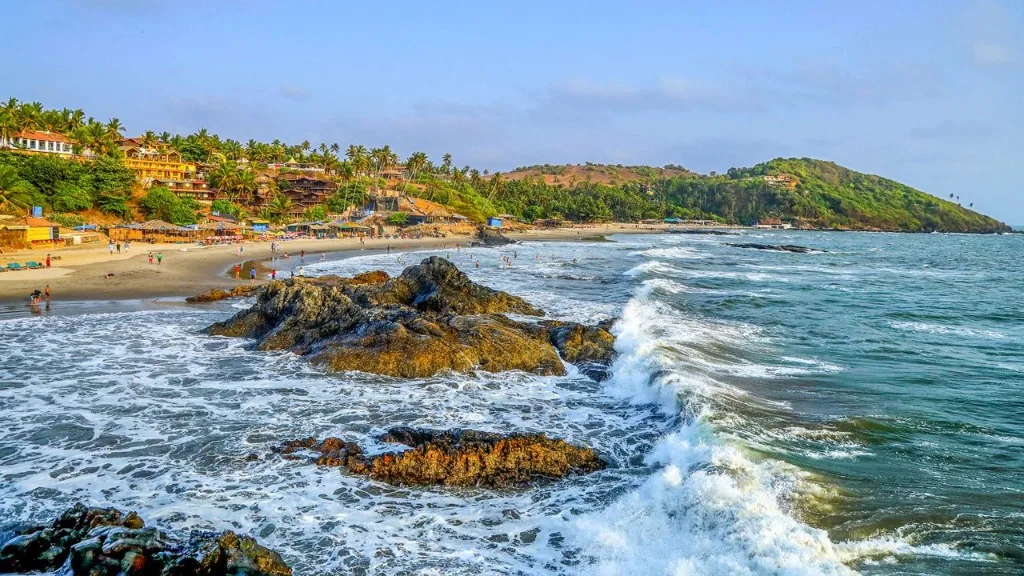
Vagator at a Glance
Best for: Couples, groups, solo travellers, workations, first-time visitors
Beach vibe: Lively without feeling overwhelmingly crowded
Nearby areas: Anjuna, Assagao, Siolim, Morjim, Ashwem
Best Stay Type: Private pool villas, boutique hotels, boutique stays
Scooter recommended? Yes
Best months: October to March (beautiful cliff views during monsoon too)
Vibe: Cliffsides, sunsets, trendy dining, active social scene
Should I stay in Vagator?
If you've been planning a trip to North Goa for more than a few minutes, you've probably noticed something: no matter where people recommend staying - Morjim, Assagao, Siolim, Anjuna or even Ashwem - Vagator somehow always enters the conversation.
That's because Vagator isn't simply another beach; it's the place that quietly connects almost everything people love about North Goa.
Want sunrise at Chapora Fort? You're minutes away. Planning to spend the afternoon café hopping in Assagao? That's a short scooter ride. Thinking about dinner in Anjuna, brunch in Siolim or a peaceful morning at Morjim? They're all close enough that you never feel like you're spending your holiday commuting.
That's exactly why so many repeat travellers recommend Vagator as their base instead of trying to stay right in the middle of Goa's busiest tourist belts. During our research, one trend appeared over and over again - people suggested Vagator because it gives easy access to cafés, beaches, nightlife and sightseeing without forcing you to spend hours travelling between them.
That's also what makes Vagator different from places like Baga. People rarely choose Vagator because it's the loudest or busiest part of Goa. They choose it because it gives them options. You can spend the morning working from a café, watch the sunset from the cliffs, head to a beach club in the evening and still be back at your villa within a few minutes. Very few places in Goa offer that balance.
Another interesting pattern we noticed while reading hundreds of traveller discussions was how often people recommend Vagator instead of Baga or Calangute when someone asks where they should stay in North Goa. Rather than suggesting the most famous beaches, experienced visitors usually point people towards Vagator, Morjim, Ashwem and Mandrem for a better overall experience.
That doesn't mean Vagator is quiet - far from it. It's one of the liveliest parts of North Goa. The difference is that the energy feels more spread out. Instead of everything revolving around one crowded road, you'll find beach cafés overlooking the sea, boutique villas tucked into quieter lanes, cliffside restaurants, music venues, co-working-friendly cafés and neighbourhoods that become peaceful the moment you leave the main strip.
It's also one of the few places that genuinely works for different kinds of travellers. Couples come for the sunsets and boutique stays. Groups book private villas close to the nightlife. Solo travellers choose the hostel scene and social cafés. Remote workers appreciate being close to everything while still having quieter areas to stay. In fact, Vagator repeatedly comes up in discussions about workations because of its central location and easy access to cafés, restaurants and nearby villages.
At Wayzyy, we've noticed a similar shift. Travellers aren't looking for the busiest area anymore. They're looking for the place that lets them experience more of Goa without constantly packing bags, changing hotels or sitting in taxis. Vagator naturally fits that style of travel. Whether you're booking a private villa for a week with friends, planning a month-long workation or visiting Goa for the first time, staying here gives you the flexibility to explore almost every part of North Goa with ease.
So, is Vagator the right place to stay? If you're only coming for quiet beaches and long afternoons doing absolutely nothing, places like Ashwem or Mandrem might suit you a little better. If you're looking for a balance between cafés, beaches, nightlife, good food, scenic viewpoints and easy access to the rest of North Goa, it's difficult to find a better base.
And that's exactly what this guide will help you figure out. We'll cover where to stay, the best areas for villas, cafés that are actually worth your time, workation tips, nightlife, seasonal travel, comparisons with Anjuna, Morjim and Baga, and the practical advice that most travel guides leave out. Because choosing where to stay in Goa isn't about finding the most popular beach; it's about finding the one that matches the kind of trip you actually want.
Why Does Almost Every North Goa Itinerary Include Vagator?
Here's something interesting: people don't always stay in Vagator, but almost everyone visits it. Some come for Chapora Fort. Some for Ozran Beach. Others for the cafés, beach clubs, sunsets or nightlife. And because it's so centrally located, many travellers end up passing through Vagator multiple times during their trip without even planning it.
That's one of the biggest reasons we recommend considering it as a base instead of treating it as a day trip. Rather than spending your holiday travelling between beaches, you're already close to many of North Goa's best experiences. Within 10–20 minutes, you can be exploring Assagao's cafés, having breakfast near Morjim, relaxing in Ashwem, shopping in Anjuna or driving through the quieter lanes of Siolim.
The result is simple: less time on the road, more time actually enjoying Goa. And that's usually what people remember long after the trip is over.
Where Should You Stay in Vagator?
Choosing the right area in Vagator can make a much bigger difference than most people expect. Two travellers can both say they stayed in Vagator and come back describing completely different experiences. One might remember peaceful mornings surrounded by greenery and evenings by a private pool, while another talks about walking to cafés, beach clubs and sunset viewpoints every day. The difference usually comes down to where they booked their stay.
If waking up and walking straight to the beach is important to you, look for accommodation around Big Vagator Beachor the roads leading towards the shoreline. You'll be close to restaurants, cafés and the beach itself, making it easy to step out without planning every outing. It's a great choice for shorter holidays where convenience matters more than absolute privacy.
Travellers looking for a quieter experience often prefer staying slightly away from the main beach road. Just a few minutes inland, you'll find boutique villas hidden between coconut trees and quieter residential lanes. These properties usually offer more space, private pools and a much more relaxed atmosphere while still keeping you only a short scooter ride from the beach.
That's one of the reasons Vagator has become increasingly popular for villa stays. Unlike traditional hotel rooms, villas give groups and families the chance to stay together under one roof, cook meals when they want to, enjoy private outdoor spaces and settle into a slower routine. If you're travelling with six or eight people, booking a villa is often more comfortable - and sometimes even better value - than splitting across multiple hotel rooms.
Longer stays benefit from a slightly different approach. Instead of focusing only on how close the property is to the beach, it's worth paying attention to everyday conveniences. Reliable fibre internet, power backup, parking, nearby cafés and easy scooter access usually have a much bigger impact after the first couple of days than simply having an ocean view.
That's something we've noticed repeatedly at Wayzyy. More travellers are choosing accommodation based on how they'll actually live during their stay rather than simply where they'll sleep. Families ask about fully equipped kitchens and larger living spaces, remote workers look for reliable Wi-Fi and dedicated work areas, while groups often prioritise private pools and common spaces where everyone can spend time together.
Rather than scrolling through hundreds of similar listings, Wayzyy helps travellers discover verified villasthat match those practical requirements. Whether you're planning a weekend getaway, a month-long workation or a celebration with friends, the goal is to make finding the right stay feel much simpler and more transparent.
Which Part of Vagator Is Best for You?
One of the advantages of Vagator is that different parts of the village suit different kinds of travellers.
If it's your first visit to Goa and you want everything within easy reach, staying near the main Vagator Beachis usually the most convenient choice. Cafés, restaurants, beach shacks and sunset viewpoints are all nearby, so you can comfortably explore on foot before using a scooter for longer trips around North Goa.
If your trip revolves around sunsets, scenic views and quieter evenings, look for villas closer to the Chapora side of Vagator. This part of the village feels more relaxed while still placing you close to Chapora Fort, one of Goa's most iconic viewpoints. Watching the sun disappear into the Arabian Sea from the cliffs here is something many travellers end up doing more than once during their stay.
Travellers who enjoy discovering cafés and local food will also appreciate Vagator's location. Assagao, Siolim and Anjuna are all close enough for an easy breakfast or lunch ride, which means you're never limited to restaurants around your accommodation. That's one of the reasons Vagator works so well as a base - you can explore a different neighbourhood almost every day without spending hours travelling across Goa.
If you're planning to rent a scooter - and we genuinely recommend doing so - be sure to check out our Goa Scooter Rental Guide. It covers rental costs, required documents, safety tips, recent speed enforcement zones and practical advice that first-time visitors often overlook.
Ultimately, there isn't a single "best" part of Vagator. The best area depends on the kind of trip you're planning. Some people want to wake up a minute from the beach. Others would happily trade that for a quieter villa with a pool surrounded by palm trees. The good news is that in Vagator, both options are never very far apart.
The Best Cafés & Restaurants in Vagator (The Ones Worth Going Back To)
One of the biggest reasons people enjoy staying in Vagator isn't the beach alone; it's the café culture.
Unlike some parts of Goa where cafés are simply places to grab breakfast before heading somewhere else, Vagator's cafés often become part of the day's plan. It's completely normal to arrive for breakfast, order another coffee, open your laptop or a book and realise it's already lunchtime. That's exactly what gives this part of North Goa its character.
If you're visiting for the first time, one place you'll almost certainly hear about is Eva Café. Perched on the cliffs overlooking Little Vagator, it's less about rushing through a meal and more about enjoying the view. Most people come here early in the morning or later in the evening when the weather is cooler, and it's easy to see why it remains one of the most photographed cafés in North Goa. The sea stretches out below you, the cliffs catch the evening light beautifully and the atmosphere feels relaxed without trying too hard.
For travellers who enjoy Mediterranean flavours with equally impressive views, Antares has become another favourite. The food is consistently good, but it's the location that keeps people coming back. Sunset dinners here often end up becoming one of the highlights of an entire Goa trip, so booking in advance during the tourist season is usually a good idea.
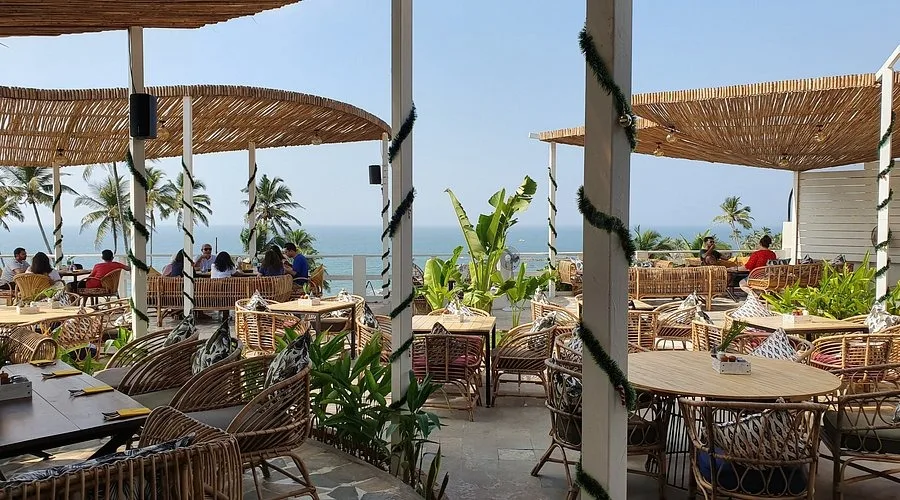
If you're happy to ride a few minutes away from the beach, Mojigao is well worth the short trip. Hidden among greenery, it feels completely different from the busy cafés closer to the coast. Many travellers stop here for breakfast before exploring Assagao or Siolim, while others simply enjoy the quieter setting and slower pace.
Another place that's impossible to ignore is Olive Bar & Kitchen. Known for its elegant outdoor setting and modern European menu, it's a popular choice for special dinners, anniversaries and celebrations. It isn't somewhere you'd necessarily visit every day, but if you're planning one memorable evening during your stay, it deserves a place on the list.
One thing we'd genuinely recommend is leaving room in your itinerary for places you discover by accident. Some of the best cafés in Vagator aren't the ones with the biggest Instagram following - they're the small bakeries, neighbourhood coffee shops and family-run restaurants tucked away from the main road. Ask your villa host where they usually have breakfast or dinner, and there's a good chance you'll discover somewhere that's missing from most travel guides.
Where Do Locals and Repeat Travellers Actually Spend Their Time?
Interestingly, after reading through dozens of traveller discussions, one pattern appeared again and again: people rarely spend the entire day at one beach.
A typical Vagator day usually starts with breakfast at a café, followed by a relaxed morning exploring nearby villages like Assagao or Siolim. By afternoon, many head back towards the beach, spend sunset around the cliffs or Chapora Fort and then finish the evening at a restaurant or music venue nearby. That rhythm is one of the biggest reasons Vagator feels different from places where every attraction revolves around a single beach. You're never short of options, but you also don't feel pressured to constantly move from one place to another.
If you're working remotely, this café culture becomes even more valuable. Several cafés around Vagator are comfortable enough to spend a few hours working during quieter periods, making it easy to combine work with travel. We'd still recommend choosing accommodation with reliable fibre internet rather than depending entirely on café Wi-Fi, but having so many welcoming spaces nearby makes the workation experience much more enjoyable.
It's also why we've seen growing demand on Wayzyy for villas close to Vagator's café district. Travellers increasingly want accommodation that lets them walk to breakfast, work from a nearby café when they feel like a change of scenery and return to a quieter villa in the evening. Instead of searching for "the cheapest room," they're looking for stays that fit the way they actually travel - and that's exactly what we're building our marketplace around.
One final tip before moving on: don't try to visit every famous café because someone on social media told you to. Choose two or three that genuinely match your style, spend time there and leave enough room to discover a place that isn't on anyone's list. Those unexpected discoveries usually become the cafés you remember long after the trip is over.
Things to Do in Vagator (Beyond Spending the Day at the Beach)
One of the biggest reasons people choose Vagator is that you never feel like you're running out of things to do. Unlike destinations where the beach is the only attraction, Vagator combines dramatic cliffs, hidden beaches, historic viewpoints, cafés and easy access to the rest of North Goa. You can spend three or four days here without feeling like you're repeating the same itinerary.
If there's one place you shouldn't miss, it's Chapora Fort. Made famous by Dil Chahta Hai, the fort has become one of Goa's most iconic viewpoints, but it's much more than a Bollywood landmark. The panoramic view over Vagator Beach, Morjim and the Arabian Sea makes it one of the best places in North Goa to watch either sunrise or sunset.
Our advice? Skip the middle of the afternoon. The climb is short, but the Goan sun can be unforgiving. Early mornings are quieter, while evenings reward you with cooler weather and some of the most beautiful sunset views you'll find anywhere along the coast. During the tourist season, arriving thirty to forty minutes before sunset usually gives you enough time to find a comfortable spot before it gets busy.
Another place that deserves your attention is Ozran Beach, often called Little Vagator. Although it's only a short walk from the main beach, the atmosphere feels completely different. Surrounded by rocky cliffs and coconut trees, it has a quieter, more laid-back character that many repeat visitors prefer. If you're someone who enjoys reading by the sea or simply wants a calmer beach for a few hours, Ozran is well worth visiting.
One thing we noticed while researching traveller discussions is that people rarely spend an entire day at a single beach. Instead, Vagator becomes the starting point for exploring North Goa. A typical day might begin with breakfast at a café, followed by a walk up to Chapora Fort, a few hours relaxing at Ozran Beach and then an evening ride towards Assagao, Siolim or Morjim for dinner. Because everything is so close together, you spend less time travelling and more time actually enjoying the places you came to see.
That's exactly why we recommend renting a scooter if you're staying here for more than a couple of days. Within fifteen or twenty minutes, you can reach Assagao's boutique cafés, Morjim's quieter beaches, Ashwem's relaxed atmosphere or Anjuna's flea market without worrying about taxi availability or surge pricing. If it's your first time renting in Goa, our Goa Scooter Rental Guide covers everything from choosing reliable rental shops and understanding local rules to the documents you'll need before getting on the road.
The beauty of Vagator isn't that it gives you an endless checklist. It's that every day can look a little different depending on how you're feeling. Some mornings are perfect for exploring. Others are better spent doing absolutely nothing. And somehow, both feel equally rewarding here.
Sunset in Vagator Is an Experience of Its Own
Ask ten people about their favourite memory of Vagator and there's a good chance at least half of them will mention the sunset. Not because it's dramatically different from anywhere else in Goa, but because of where you get to watch it from.
The cliffs surrounding Vagator create natural viewpoints overlooking the Arabian Sea, and as the sun begins to dip below the horizon, the entire coastline changes colour. Cafés slowly fill up, music drifts through the air and people gather quietly along the rocks with cameras, conversations or simply a cup of coffee.
It's one of those moments that doesn't need much planning. Just arrive a little early, find a comfortable place to sit and let the evening unfold. If you're looking for a livelier atmosphere, several beach clubs and cliffside venues come alive around sunset, making it easy to transition from a relaxed afternoon into dinner or live music without travelling anywhere else.
That flexibility is one of Vagator's biggest strengths. You can have a peaceful evening. You can have a lively one. Or you can do a bit of both - all within walking distance. And that's something very few places in North Goa manage quite as well.
Nightlife in Vagator: More Than Just Clubs and Parties
If you've heard people describe Vagator as the nightlife capital of North Goa, they're not entirely wrong. But that description also misses a big part of the picture.
The nightlife here isn't limited to packed dance floors or all-night parties. One of the reasons Vagator has become so popular is that there's something happening at almost every pace. You can spend an evening listening to live music at a café overlooking the sea, enjoy cocktails at a cliffside restaurant, watch the sunset before dinner or stay out until sunrise if that's the kind of trip you're planning. That's a flexibility many other parts of Goa don't offer.
For electronic music lovers, Vagator has earned an international reputation over the years. Some of Goa's best-known venues host techno and house music events featuring both Indian and international artists, attracting travellers from around the world during the tourist season. Even if you're not someone who regularly visits clubs, the atmosphere around these venues adds a unique energy to the village once the sun goes down.
Not every evening has to revolve around nightlife, though. Many visitors prefer something much simpler. Dinner overlooking the sea, a slow walk back through the quieter lanes and a peaceful night at the villa often become just as memorable as a night out. One of the biggest advantages of staying in Vagator is that you don't feel pressured to follow one kind of itinerary. Every evening can be completely different depending on your mood.
If you're travelling with friends, Vagator makes that even easier. One part of the group might head towards a music venue, while others stay back for dinner or spend time at the villa. Because everything is relatively close together, nobody feels disconnected from the rest of the group.
There are, however, a couple of practical things worth keeping in mind.
If you're planning to drink, avoid riding your scooter afterwards. Besides being unsafe, travellers regularly mention police checkpoints and breathalyser checks around parts of North Goa, particularly during weekends and busy holiday periods. It's always better to book a cab back to your accommodation or have someone in the group who isn't drinking handle the ride home. That small decision can save you from an expensive fine - or much worse.
It's also worth remembering that Goa's nightlife isn't something you have to experience every single day. Some of the best trips combine busy evenings with slower mornings, giving you enough time to enjoy the beaches, cafés and surrounding villages without feeling exhausted halfway through your holiday. That's one of the reasons Vagator works so well. It lets you enjoy Goa however you want, instead of expecting every visitor to have the same itinerary.
Visiting Vagator During the Monsoon: Is It Still Worth It?
One of the biggest myths about Goa is that it only makes sense to visit during winter. If you've ever searched for Vagator in June or July, you've probably come across articles telling you to postpone your trip until the tourist season returns.
The reality is far more balanced. Yes, the experience changes, but that doesn't automatically make it worse.
The first few weeks of June usually mark the transition into the monsoon. Days can still be warm and humid, with occasional showers arriving unexpectedly. By July, the rains become more regular, the cliffs turn a deep shade of green and the crowds that fill Vagator during December almost completely disappear. The sea becomes rough during this period, so swimming and water sports are generally discouraged. Some seasonal beach shacks also close for a few months until the tourist season returns.
At the same time, this is when many travellers discover a version of Goa they never expected. The cafés feel calmer, roads become quieter, accommodation prices fall noticeably and the surrounding landscape transforms into one of the greenest parts of the country. Instead of planning every hour around beaches, people spend more time exploring cafés, driving through villages, visiting waterfalls, enjoying long conversations over coffee or simply relaxing in their villa while listening to the rain.
If you're planning a workation, the monsoon can actually be one of the better times to visit - as long as you're prepared. Before booking, confirm that your accommodation has reliable fibre internet and power backup, since heavy rainfall can occasionally lead to short electricity interruptions in some areas.
We cover Goa's seasons in much more detail in our Best Time to Visit Goa Guide, including monthly weather, villa prices and what to expect throughout the year. If you're still deciding when to travel, it's worth reading alongside this guide before finalising your plans.
One thing we've learnt after researching Goa extensively is that no season is objectively the best. Winter is lively. Summer is quieter. The monsoon is slower, greener and surprisingly peaceful. The best time to visit simply depends on the kind of memories you want to take home.
Vagator vs Anjuna, Morjim & Baga: Which One Should You Choose?
One question comes up repeatedly while planning a trip to North Goa: "Where should I actually stay?"The answer depends much less on which beach is "better" and much more on the kind of holiday you're hoping to have.
Vagator vs Anjuna
People often compare Vagator and Anjuna because they're only a few minutes apart. While they're neighbours, they feel surprisingly different.
Anjuna revolves around energy. The flea market, busy cafés, backpacker culture and nightlife give it a social atmosphere throughout the day. If you're someone who enjoys constantly exploring new cafés, meeting other travellers and staying close to Goa's nightlife, Anjuna has plenty to offer.
Vagator feels more balanced. The nightlife is still there whenever you want it, but the village also gives you quieter villas, cliffside walks, peaceful mornings and a little more breathing room between attractions. It's one of the reasons many repeat visitors stay in Vagator and simply ride over to Anjuna whenever they want a livelier evening.
Vagator vs Morjim
This comparison usually comes down to one thing: energy versus calm.
Morjim attracts travellers looking for quieter beaches, boutique cafés and longer, slower holidays. It's particularly popular among couples, families and remote workers who don't mind giving up some nightlife in exchange for a more relaxed atmosphere.
Vagator, meanwhile, keeps you closer to the center of North Goa's social life. You'll have more restaurants, sunset viewpoints, music venues and cafés within easy reach, making it a better choice if you like having plenty of options every day. The two are only around twenty minutes apart, so many people staying in Vagator spend mornings exploring Morjim, while visitors staying in Morjim often head to Vagator for sunset or dinner. If you're still deciding, our Morjim Beach Guide explores both the lifestyle and accommodation options in much greater detail.
Vagator vs Ashwem
If your dream holiday involves waking up to quieter beaches, spending hours in peaceful cafés and ending the day with a slow sunset walk, Ashwem is difficult to beat. It's one of the calmest stretches of North Goa and is particularly popular with couples, families and travellers looking for boutique villas.
Vagator offers a little more movement. You'll find more restaurants, a larger café culture, easier access to nightlife and a busier social atmosphere without reaching the crowds of Baga or Calangute. Many travellers actually combine both: they stay in Vagator for the convenience and spend an afternoon exploring Ashwem whenever they want a slower change of pace. Our Ashwem Beach Guide covers stays, workations, and planning tips in detail.
Vagator vs Baga
This is probably the comparison where the differences become most obvious. Baga remains one of Goa's busiest tourist destinations. It's energetic, commercial and packed with restaurants, beach shacks, hotels and nightlife. For first-time visitors who want to experience Goa's busiest beaches, it can still be a fun choice.
Vagator offers a different experience. Instead of crowded streets and large hotel complexes, you'll find boutique villas, scenic cliffs, independent cafés and a much stronger connection with the rest of North Goa. It's one of the reasons experienced travellers often recommend Vagator to people looking for a balance between convenience and a more relaxed atmosphere.
Local Tips Before You Book a Stay in Vagator
- Book early: If you're visiting during Christmas, New Year's or long weekends, book your villa well in advance. Vagator is one of the most popular places to stay in North Goa, and the best boutique villas are often reserved months ahead.
- Renting a scooter: Don't rely entirely on taxis. One of Vagator's biggest advantages is its location, and you'll enjoy it much more if you have the flexibility to explore nearby places on your own schedule.
- Confirm amenities: If you're planning to work remotely, don't choose accommodation based only on photographs. Confirm that the villa has fibre broadband, power backup and a comfortable workspace before booking.
- Take it slow: Don't try to see every attraction in one weekend. Vagator isn't somewhere you rush through. Spend one day exploring cafés, another around Chapora and Ozran, keep an evening for the nightlife if that's your thing, and leave enough free time to simply enjoy your villa.
Final Thoughts: Is Vagator Worth Staying In?
If there's one thing we realised while researching Vagator, it's that people rarely regret choosing it as their base in Goa. The only travellers who usually end up disappointed are the ones expecting it to be something it's not.
If your dream holiday revolves around completely empty beaches, silent mornings and doing very little beyond reading by the sea, Ashwem or Mandrem will probably suit you better. If you want to be in the middle of Goa's busiest commercial tourist scene with large hotel complexes and crowded streets, Baga or Calangute might feel more familiar.
Vagator sits comfortably between those two worlds. It gives you lively cafés without overwhelming crowds, nightlife whenever you want it, beautiful beaches, iconic sunset viewpoints and some of the best connectivity to the rest of North Goa. Within minutes, you can be having breakfast in Assagao, exploring Siolim, relaxing in Morjim or shopping in Anjuna before returning to your villa in the evening.
That's why so many travellers don't simply visit Vagator; they use it as their home base. Everything feels close enough that exploring Goa becomes effortless instead of something you have to plan every morning.
If you're still deciding whether Vagator is the right fit, we'd recommend reading our Morjim Guide, Ashwem Guide, Mandrem Guide, North Goa vs South Goa Guide and Best Time to Visit Goa. Together, they'll help you choose the destination that genuinely matches your travel style instead of simply following the most popular recommendation.
At Wayzyy, that's exactly what we're trying to make easier. We believe choosing accommodation should be about much more than comparing prices. Whether you're looking for a private pool villa for a group trip, a peaceful stay with reliable fibre internet for a workation, a family-friendly home close to the beach or a boutique villa for a weekend getaway, our goal is to help you discover verified stays that match the way you actually travel.
We're also taken a different approach to hosting. Instead of charging hosts a commission on every booking, Wayzyy uses a simple credit-based model that gives hosts greater flexibility while helping travellers discover quality stays without unnecessary platform markups.
Goa offers dozens of incredible places to stay. Vagator simply happens to be one of the few that lets you experience almost all of them without feeling like you're constantly on the move. And that's exactly why so many people end up returning.
Plan Your Goa Trip
Still deciding where to stay or how to plan your itinerary? These guides will help you make the most of your Goa trip:
- If you're unsure which side of Goa suits your travel style, start with our North Goa vs South Goa Guide for a complete comparison of beaches, nightlife, cafés, workations and family-friendly areas.
- Planning to explore on two wheels? Our Goa Scooter Rental Guide covers rental prices, required documents, recent speed enforcement zones, safety tips and everything first-time visitors should know before renting a scooter.
- Travelling during a specific season? Read our Best Time to Visit Goa Guide for a month-by-month breakdown of weather, crowds, festivals and villa prices to help you choose the right time to visit.
- Working remotely? Our Workation in Goa Guide explains the best areas for longer stays, internet reliability, cafés, coworking-friendly locations and how to choose a villa that's actually suitable for remote work.
- Still exploring North Goa? You may also enjoy our detailed guides to Morjim, Mandrem, Siolim, Assagao, and Ashwem, where we compare each destination and help you decide which area matches the kind of holiday you're planning.
And when you're ready to book, Wayzyy helps you discover verified villas across Goa with filters for private pools, fibre internet, pet-friendly stays, family villas and long-term accommodation. Instead of charging commissions on every booking, our host-first credit model keeps pricing transparent while making hosting simpler for property owners.
Frequently Asked Questions About Vagator Beach
Is Vagator Beach worth staying in?
Yes. Vagator is one of the best places to stay in North Goa if you're looking for a balance between beaches, cafés, nightlife and easy access to nearby destinations like Anjuna, Assagao, Siolim and Morjim. It's particularly popular with couples, groups, solo travellers and people planning longer stays.
Is Vagator better than Anjuna?
Both destinations are excellent but offer different experiences. Anjuna is known for its flea market, backpacker culture and lively atmosphere, while Vagator provides a better balance between nightlife, scenic viewpoints, boutique villas and quieter surroundings. Many travellers stay in Vagator and visit Anjuna whenever they want a more energetic evening.
Is Vagator good for a workation?
Absolutely. Vagator has reliable internet in many villas, a growing café culture and a central location that makes it easy to balance work with exploring Goa. Before booking, it's always worth confirming that your accommodation has fibre broadband and power backup.
Do I need a scooter in Vagator?
While taxis and ride-hailing services are available, renting a scooter is one of the easiest ways to explore North Goa. Nearby destinations like Anjuna, Assagao, Siolim, Morjim and Ashwem are all within a comfortable riding distance.
Want to list your villa on Wayzyy?
Email us at hello@wayzyy.com - Wayzyy is launching soon in Goa.