
Anjuna Beach Guide (2026): The Complete Guide to Staying, Exploring & Booking Stays
Planning to stay in Anjuna? Read our honest guide to Anjuna's beach shacks, stays, cafes, safety, and typical costs.
Published 16 July 2026
Anjuna at a Glance
Best for: Solo travellers, groups, nightlife, café culture, first-time visitors
Beach vibe: Bohemian, social, beach shacks, markets
Nearby areas: Vagator, Assagao, Siolim, Baga
Best Stay Type: Boutique villas, private pool villas, Portuguese homestays
Scooter recommended? Yes
Best months: October to March
Vibe: Energetic, creative cafés, flea markets, active social scene
Who is this guide for?
- First-time visitors
- Couples
- Families
- Solo travellers
- Digital nomads
- Groups of friends
- Long-term stays
Not ideal if:
- You're looking for complete isolation.
- You don't plan on exploring beyond your hotel.
- You prefer very small village settings.
Should I stay in Anjuna?
If you look at the history of travel in Goa, Anjuna has always held a special status. Known as the birthplace of Goa's famous hippie and bohemian culture, this village has evolved from a quiet coastal hamlet into one of North Goa's most energetic destinations.
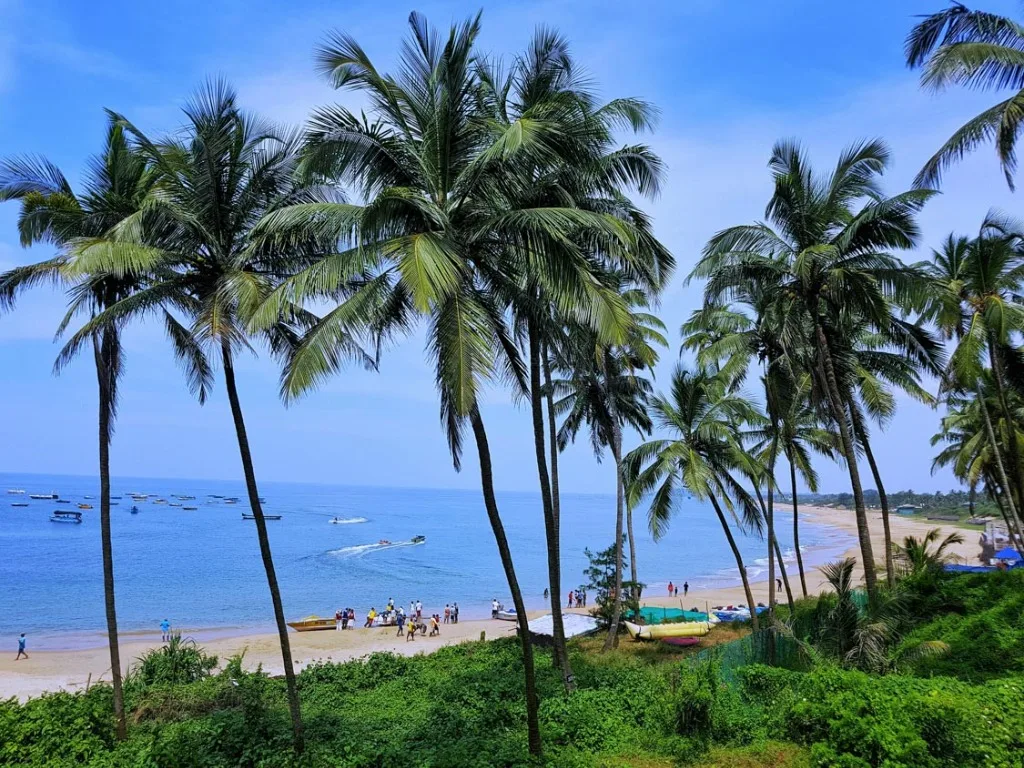
Today, Anjuna represents a dynamic mix of the old and the new. It's where you'll find creative cafés, boutique shops, and weekly flea markets alongside rustic beach shacks and modern luxury villas. The beach itself is characterized by its red laterite cliffs, coconut groves, and sandy coves.
But what makes Anjuna truly stand out is its central location. Squeezed between Vagator to the north and Baga to the south, it is the perfect base if you want to explore the rest of North Goa. Within a ten to twenty minute ride - which we break down in our Goa Scooter Rental Guide - you can have breakfast in Assagao, explore the quiet river paths of Siolim, or catch the sunset from Vagator's cliffs.

Where to Eat and Work in Anjuna
Anjuna's café culture is easily one of the strongest in North Goa. These aren't just places to grab a quick coffee; they are creative social hubs where people spend hours working, talking, or reading.
From open-air tropical setups like Clay Coworks to beachfront locations that come alive during sunset, you're never short of inspiring spaces. The village attracts a steady stream of freelancers, digital nomads, and creators, making it an excellent place if you're planning a workation.
Visiting Anjuna During the Monsoon: Is It Still Worth It?
One of the biggest myths about Goa is that it's only worth visiting between November and February. Ask someone who's spent a few monsoon weeks here, though, and you'll probably hear a very different answer.
Yes, Anjuna changes during the rains. But that doesn't mean it loses its charm; it simply becomes a different destination.
The first half of June usually marks the beginning of the seasonal shift. Days remain warm and humid, with occasional afternoon showers arriving without much warning. By July, the landscape has transformed completely. Hills turn green, palm trees look fresher than ever and the crowds that define Anjuna during winter almost disappear.
For many travellers, that's exactly the appeal. Instead of waiting in queues for breakfast or searching for a quiet spot on the beach, you get to experience a much slower version of Goa. Cafés become places where people linger for hours, roads are noticeably quieter and even familiar beaches feel completely different without the usual tourist rush.
Of course, the monsoon isn't perfect for every kind of trip. Swimming is generally discouraged because sea conditions become unpredictable, and many seasonal beach shacks close until the tourist season returns. If your dream holiday revolves around beach hopping and water sports every day, you'll probably enjoy visiting later in the year.
On the other hand, if you're coming to work remotely, spend time reading, write, explore cafés or simply slow down for a while, the monsoon can actually be one of the most rewarding seasons to experience Anjuna.
Accommodation prices are another reason many people choose this time of year. Boutique villas that are difficult to book during December often become far more affordable during the monsoon. Longer stays are easier to find, and many property owners offer attractive weekly or monthly rates, making it an excellent season for freelancers, creators and anyone planning a workation.
Just make sure your accommodation is prepared for the weather. Reliable fibre internet, power backup and covered outdoor spaces become much more important than being a minute closer to the beach. Heavy rain occasionally causes short power interruptions, so checking these details before booking can make a noticeable difference if you'll be working during your stay.
At Wayzyy, we've seen more travellers specifically searching for long-term villa stays during the monsoon rather than short weekend trips. The quieter atmosphere, lower accommodation costs and slower pace make it a season that many repeat visitors now actively look forward to instead of avoiding.
One thing we've learnt while researching Goa is that every season has its own personality: winter is energetic, summer is quieter, and the monsoon is reflective. If you arrive expecting the same Goa you see on Instagram in December, you'll probably leave disappointed. If you arrive ready to experience a greener, calmer and more local side of the state, you might end up discovering your favourite version of Goa.
Anjuna vs Vagator, Siolim & Baga: Which One Should You Choose?
One of the biggest decisions travellers make isn't whether to visit North Goa; it's deciding where to stay once they get there. The good news is that there's no wrong answer. The better question is: which place matches the kind of trip you're planning?
Anjuna vs Vagator
This is probably the comparison people search for most often. The two villages sit next to each other, but they feel surprisingly different.
Anjuna has a stronger backpacker culture, the famous flea market, more shopping and one of the busiest café scenes in North Goa. There's usually something happening, whether it's a market, live music or simply people gathering at cafés throughout the day.
Vagator feels slightly more balanced. It has excellent cafés and nightlife too, but it also offers quieter residential pockets, dramatic cliffside sunsets and a more relaxed atmosphere once you step away from the main road.
If you're travelling for the first time and want constant activity around you, Anjuna is likely the better fit. If you'd rather have a slightly calmer base while staying close to everything, Vagator is often the stronger choice. Our Vagator Guide explores those differences in much greater detail.
Anjuna vs Siolim
Although they're only a short drive apart, these two places attract very different travellers. Anjuna is social, while Siolim is residential.
During our research, we repeatedly found long-term residents recommending Siolim to people looking for a slower lifestyle, particularly freelancers and remote workers who weren't interested in being surrounded by tourists every day. The area has developed a strong community of people who've chosen to live in Goa rather than simply holiday there.
Anjuna, meanwhile, offers much more variety on your doorstep. You'll have more cafés, restaurants, shopping, events and social spaces, but you'll also share those with a much larger number of visitors, especially during the peak season. If your goal is building a routine, Siolim often wins. If your goal is making every day feel different, Anjuna is difficult to beat. Our Siolim Guide offers detailed stays and planning tips.
Anjuna vs Morjim
This comparison usually comes down to energy. Morjim is quieter, more spacious and better suited for travellers who want peaceful mornings, boutique cafés and long beach walks. Anjuna is busier, more social and packed with things to do throughout the day.
Many people actually combine both: they stay in Anjuna because it's centrally located and ride to Morjim whenever they want a slower afternoon. Our Morjim Guide can help if you're deciding between the two.
Anjuna vs Baga
If you've never been to Goa before, these two places might seem similar. In reality, they offer very different experiences. Baga is one of Goa's busiest tourist destinations, filled with hotels, beach shacks, water sports and large crowds throughout the season.
Anjuna feels more independent. Instead of large hotel chains, you'll find boutique villas, creative cafés, local markets and a stronger community of travellers who often stay for weeks instead of days.
Local Tips Before You Book a Stay in Anjuna
After reading through hundreds of traveller experiences, a few practical tips kept appearing again and again:
- Plan holiday weeks early: If you're planning to visit during Christmas, New Year or long weekends, don't leave your accommodation until the last minute. Boutique villas in Anjuna are among the first to get booked, especially those with private pools or larger spaces for groups.
- Renting a scooter: If you're staying for more than two or three days, renting a scooter is easily one of the best decisions you can make. It helps you explore Assagao, Vagator, Morjim, and Siolim without high taxi costs.
- Noise consideration: Another mistake first-time visitors make is booking a property purely because it's closest to the beach. That sounds great until you're trying to sleep while cafés and bars are still busy outside. If you value quiet mornings, choose a villa five or ten minutes inland.
- Explore without an agenda: Don't try to plan every hour of your trip. One of the nicest things about Anjuna is that it rewards slowing down. An afternoon café stop may lead to a memorable chat with fellow travellers.
Final Thoughts: Is Anjuna Worth Staying In?
If there's one thing we realised while researching Anjuna, it's that people don't keep coming back because of one famous attraction. They come back because Anjuna gives them options.
Some days begin with breakfast at a quiet café and end with a sunset walk along the beach. Others are spent browsing local boutiques, exploring neighbouring villages or catching up with friends over dinner before listening to live music late into the evening. Very few places in North Goa offer that kind of variety while still feeling easy to explore.
Of course, Anjuna won't be the perfect fit for everyone. If you're looking for complete peace, almost empty beaches and a slower village lifestyle, destinations like Ashwem or Mandrem may suit you better. If you want dramatic cliff views and a slightly calmer atmosphere with easy access to nightlife, Vagator is another excellent choice.
But if you're looking for somewhere that sits comfortably in the middle - social without feeling chaotic, lively without becoming exhausting and central enough to explore the rest of North Goa with ease - Anjuna is genuinely difficult to beat. It's the kind of place where a weekend trip often turns into a week, and a week somehow turns into a month.
At Wayzyy, we're building our platform around exactly that style of travel. Instead of helping you book just another place to stay, we want to make discovering Goa simpler.
Whether you're looking for a boutique villa in Anjuna, a peaceful workation stay in Siolim, a private pool villa in Vagator, a family getaway in Morjim or a quiet escape in Ashwem, you'll be able to explore verified properties across North and South Goa in one place. Our focus is on helping travellers find stays that genuinely match the way they travel while making hosting simpler through our host-first credit model rather than charging commissions on every booking.
Because the best trip usually isn't about finding the cheapest stay. It's about finding the right one. And when you get that right, everything else - from the cafés you discover to the conversations you have and the places you explore - tends to fall into place naturally.
Plan Your Goa Trip
If you're still deciding where to stay or how to plan your itinerary, these guides will help you get a clearer picture of Goa before you book:
- Start with our North Goa vs South Goa Guide if you're choosing between the two regions. It covers everything from beaches and nightlife to cafés, workations and family-friendly destinations.
- Planning to explore beyond Anjuna? Our detailed guides to Vagator, Morjim, Ashwem, Mandrem, Siolim, and Assagao compare each destination, explain who they're best suited for and help you decide which area matches your travel style.
- If you're planning to rent a scooter, don't miss our Goa Scooter Rental Guide, where we've covered rental prices, required documents, safety tips, recent speed enforcement zones and practical advice for first-time visitors.
- Travelling during a particular season? Our Best Time to Visit Goa Guide breaks down every month, helping you understand weather, festivals, villa prices and crowd levels before you finalise your plans.
- Thinking about working remotely from Goa? Read our Workation in Goa Guide, where we cover internet reliability, cafés, choosing the right villa and building a comfortable routine while living in Goa.
And when you're ready to book, explore Wayzyy to discover verified villas across Goa - from boutique homes in North Goa to peaceful stays in the south. Whether you're planning a weekend with friends, a family holiday, a month-long workation or simply want a villa with a private pool, Wayzyy is designed to help you find stays based on what actually matters to you, not just whichever listing appears first.
Frequently Asked Questions About Anjuna Beach
Is Anjuna Beach worth staying in?
Yes. Anjuna is one of the best places to stay in North Goa if you're looking for a balance between beaches, cafés, nightlife, shopping, and easy access to nearby destinations like Vagator, Assagao, Siolim, and Baga. It's particularly popular with solo travellers, digital nomads, groups, and people planning longer stays.
Is Anjuna better than Vagator?
Both destinations are excellent but offer different vibes. Anjuna has a stronger backpacker and social culture, with the famous flea market and a busier café scene. Vagator feels slightly more balanced, with quieter residential pockets, cliffside sunsets, and a more relaxed atmosphere.
Is Anjuna good for a workation?
Absolutely. Anjuna has reliable internet in many villas, a thriving café-working ecosystem, and a central location that makes it easy to balance work with exploring Goa. Before booking, it's always worth confirming that your accommodation has fibre broadband and power backup.
Do I need a scooter in Anjuna?
While taxis are available, renting a scooter is highly recommended. It gives you the flexibility to explore Assagao, Vagator, Siolim, Morjim, and Ashwem on your own schedule without paying high taxi fares.
Want to list your villa on Wayzyy?
Email us at hello@wayzyy.com - Wayzyy is launching soon in Goa.